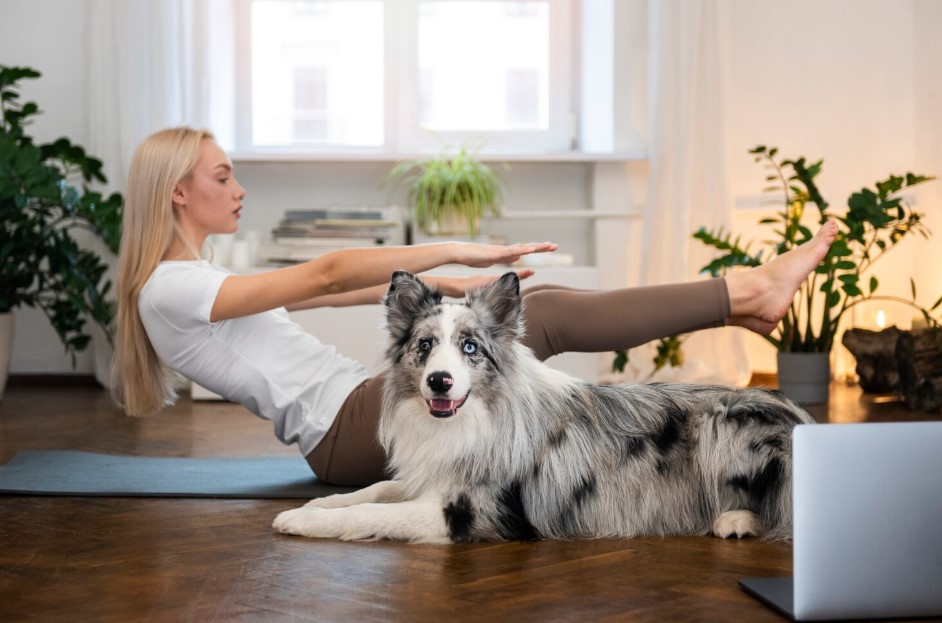
Apartment living offers convenience, security, and access to vibrant neighbourhoods, making it an increasingly popular choice for pet owners. While many dogs and cats adjust well to apartment life, shared walls, nearby neighbours, elevators, and unfamiliar sounds can sometimes present new challenges. Fortunately, with consistent training and a little patience, pets can become calm, confident, and considerate apartment companions.
Successful apartment living is about more than teaching basic commands. It involves helping pets feel comfortable in their environment, encouraging good behaviour, and ensuring they receive enough physical exercise and mental stimulation. By understanding your pet's needs and introducing positive routines, you can create a happy home for both your furry friend and your neighbours.
Help Your Pet Get Used to Everyday Sounds
Apartment buildings are naturally busier than detached homes. Pets may hear footsteps in hallways, elevators opening, doors closing, conversations from neighbouring units, or traffic outside.
Rather than trying to eliminate these noises, gradually help your pet become comfortable with them. Calmly reward relaxed behaviour whenever new sounds occur. Offering treats, praise, or a favourite toy teaches your pet that everyday apartment noises are normal and nothing to fear.
For puppies or newly adopted pets, gentle exposure over time can prevent anxiety and reduce reactive behaviours such as barking or hiding.
Teach Quiet Behaviour Early
One of the biggest concerns in apartment living is excessive barking or vocalisation. Dogs may bark at hallway activity, passing people, delivery drivers, or unfamiliar sounds coming from neighbouring apartments.
Instead of punishing barking, identify the cause and redirect your dog's attention. Reward periods of quiet behaviour and teach simple commands such as "quiet" or "settle" using positive reinforcement.
Providing enough daily exercise also plays an important role. A mentally and physically satisfied dog is generally less likely to bark out of boredom or frustration.
Cats can also vocalise excessively when stressed or seeking attention. Maintaining a predictable daily routine often helps reduce unnecessary meowing.
Create a Comfortable Resting Area
Every pet benefits from having a quiet place where they can relax undisturbed. A comfortable bed positioned away from the apartment entrance and high-traffic areas gives pets a sense of security.
Many dogs naturally nap throughout the day, while cats may sleep for up to sixteen hours daily. Providing a dedicated resting space allows them to recharge while reducing overstimulation from household activity.
Soft bedding, familiar blankets, and favourite toys help create a relaxing environment where pets can feel safe.
Practise Good Elevator Manners
For apartment dogs, elevators quickly become part of everyday life. Teaching basic manners makes these shared spaces more enjoyable for everyone.
Encourage your dog to wait calmly before entering, remain close to you during the ride, and exit only when invited. Reward calm behaviour with praise or treats after each successful trip.
These simple habits help reduce excitement while ensuring both your pet and fellow residents feel comfortable using shared facilities.
Exercise Is Essential
Even pets living in smaller apartments need regular opportunities to burn energy. Daily walks, games of fetch, interactive toys, and training sessions all contribute to healthier behaviour.
For dogs, exploring different walking routes provides valuable mental stimulation through new sights and scents. Indoor enrichment activities such as puzzle feeders or hide-and-seek games can also occupy curious minds on rainy days.
Cats benefit from climbing trees, scratching posts, window perches, and interactive toys that encourage natural hunting behaviours.
Meeting your pet's exercise needs significantly reduces unwanted behaviours caused by boredom or excess energy.
Socialise Responsibly
Apartment living often means frequent encounters with other residents and pets. Early socialisation helps animals remain calm during these interactions.
Allow dogs to meet people and other dogs gradually while always respecting their comfort level. Reward polite greetings rather than jumping or pulling on the lead.
Not every pet enjoys meeting strangers, and that's perfectly normal. The goal is to help your pet remain relaxed and manageable rather than forcing unwanted interactions.
Prevent Separation Anxiety
Many apartment pets spend several hours alone while their owners work. Preparing them for short periods of independence helps reduce anxiety.
Begin by leaving your pet alone for brief intervals before gradually increasing the time away. Leaving enrichment toys or puzzle feeders can provide entertainment while you're gone.
Avoid making departures or arrivals overly emotional. Calm routines teach pets that your absence is temporary and nothing to worry about.
If your pet continues showing signs of severe anxiety, such as destructive behaviour, excessive vocalisation, or attempts to escape, consult your veterinarian or a qualified animal behaviourist.
Choose Accommodation That Welcomes Pets
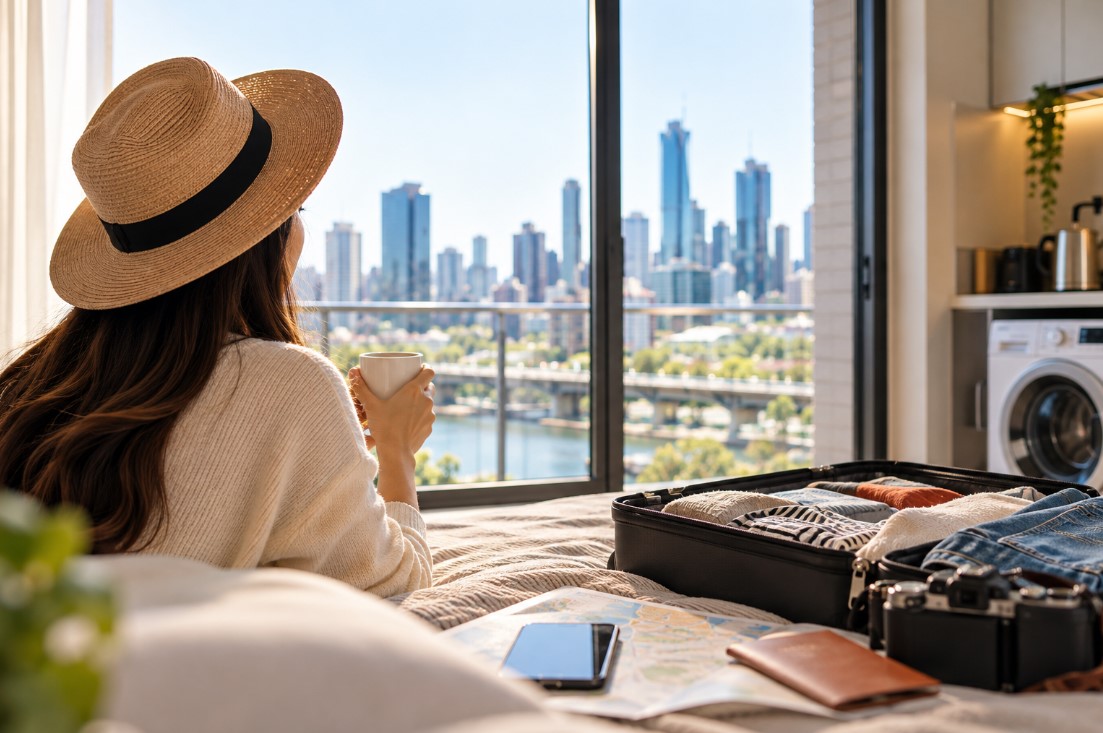
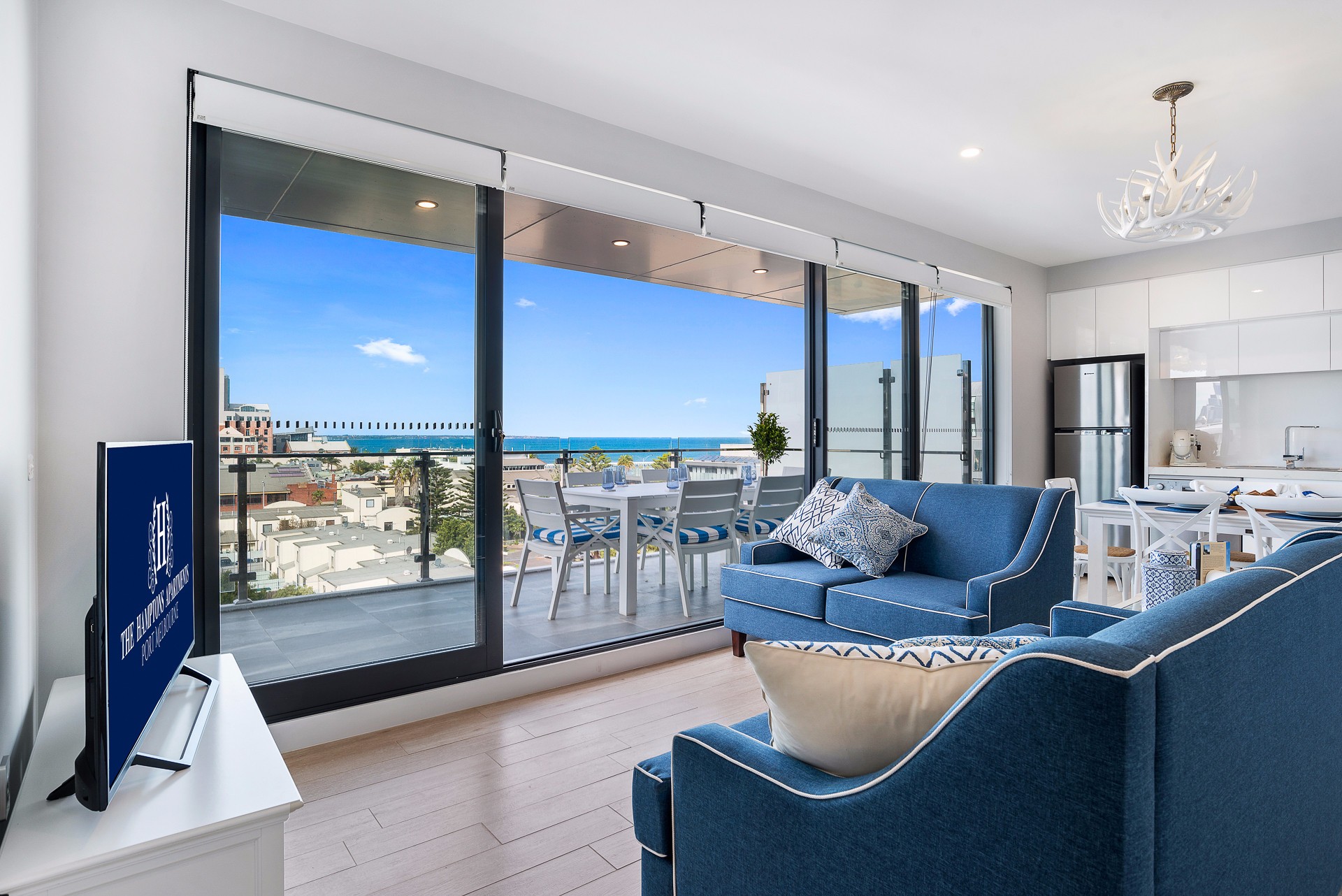
Finding suitable pet-friendly Melbourne accommodation is one of the most important decisions for owners relocating or travelling with their animals. Beyond simply allowing pets, quality accommodation should offer practical features such as secure balconies, nearby parks, walking paths, and clear pet-friendly policies that support responsible ownership.
A well-designed living environment makes daily routines easier while helping pets settle more quickly into unfamiliar surroundings. Access to green spaces also provides valuable opportunities for exercise and social interaction.
Learn from Trusted Animal Welfare Experts
Reliable information is essential when training pets for apartment life. Organisations such as RSPCA Australia provide evidence-based advice on pet behaviour, positive reinforcement training, environmental enrichment, and responsible ownership.
Their educational resources encourage humane training methods that strengthen the bond between owners and their pets while promoting good behaviour in shared living environments.
Working with qualified trainers or behaviourists can also be beneficial for pets experiencing fear, anxiety, or behavioural challenges during the transition to apartment living.
Building a Happy Home for Everyone
Apartment living can be an excellent lifestyle for pets when their emotional and physical needs are met. Regular exercise, consistent routines, positive training, quiet resting spaces, and gradual exposure to everyday apartment life all help animals become confident and well-adjusted companions.
At the same time, considerate pet ownership benefits neighbours by reducing unnecessary noise and encouraging respectful use of shared spaces. Small daily habits—such as practising elevator manners, rewarding calm behaviour, and providing plenty of enrichment—can make a significant difference.
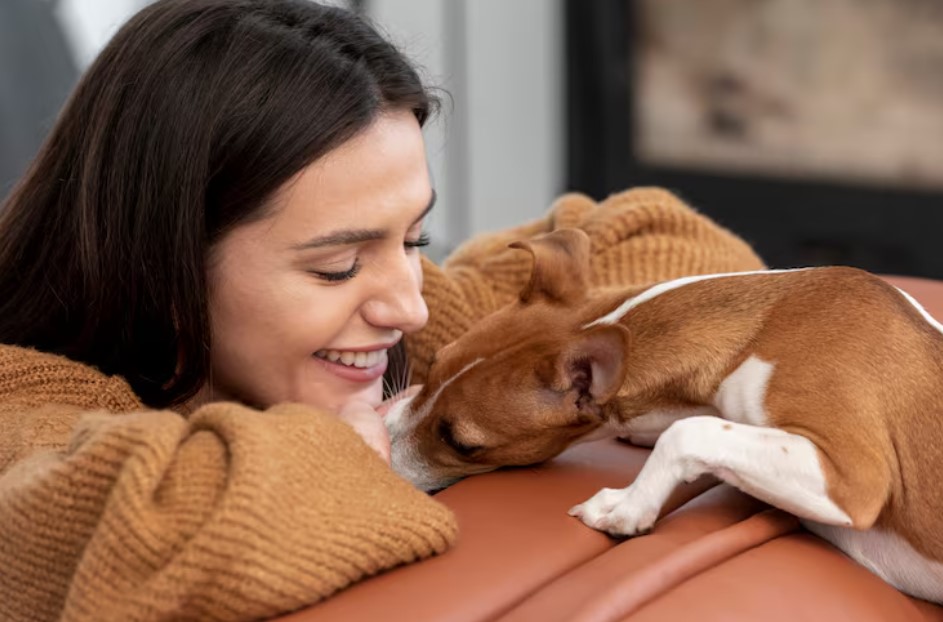
With patience, consistency, and the right environment, dogs and cats can enjoy fulfilling lives in apartments while giving their owners the companionship, comfort, and unconditional affection that make every home feel complete.