Apartment living has become increasingly popular for people who value convenience, location, and low-maintenance lifestyles. Fortunately, many pets adapt extremely well to apartment life, provided their physical and emotional needs are met. While dogs and cats may have less indoor space than they would in a large house, their mental wellbeing depends far more on enrichment, routine, and quality time than on square metres alone.
Understanding how apartment living influences your pet's mental health allows owners to create an environment where animals feel secure, stimulated, and content. With thoughtful planning, apartments can provide safe, comfortable homes for pets of all ages.
Mental Stimulation Is Just as Important as Exercise
Many people assume that apartment pets are automatically less happy because they have less room to roam. In reality, mental stimulation often has a greater impact on an animal's wellbeing than simply having a larger living space.
Interactive toys, puzzle feeders, scent games, training sessions, and regular playtime all encourage pets to use their natural instincts. These activities reduce boredom while helping prevent unwanted behaviours such as excessive barking, chewing, scratching, or anxiety.
Rotating toys every few days also keeps pets interested by providing new experiences without constantly purchasing new items.
Routine Helps Pets Feel Secure
Pets thrive on consistency. Feeding, walks, playtime, and bedtime occurring at similar times each day help reduce anxiety and create a predictable environment.
This is particularly important for apartment pets, who may encounter unfamiliar sounds such as neighbours, elevators, or hallway activity. A regular routine reassures animals that despite occasional external noise, their daily life remains stable and safe.
Consistency also makes it easier for pets to adapt when owners return to work or travel.
Daily Walks Benefit Both Body and Mind
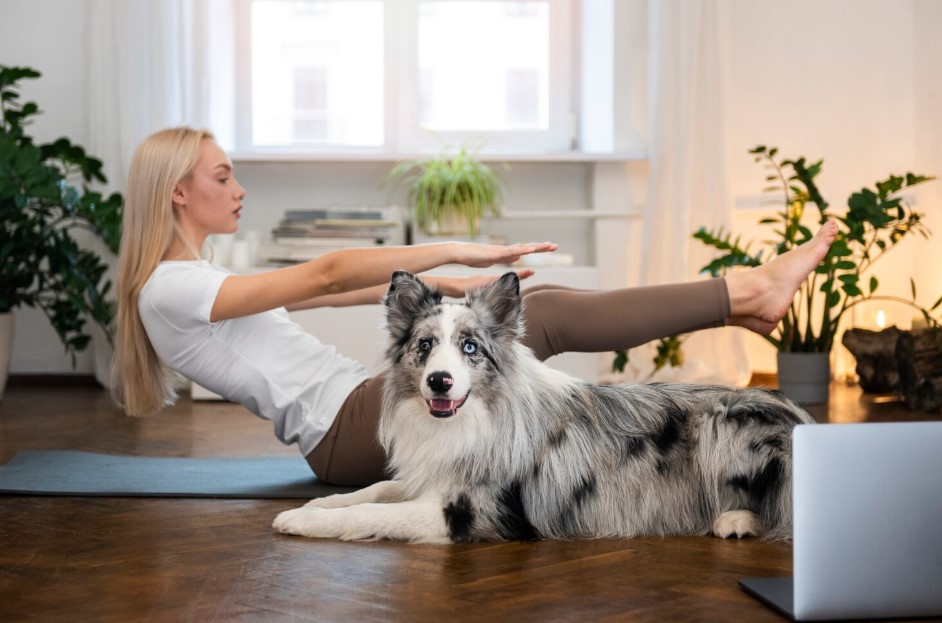
For dogs, walks provide much more than physical exercise. Exploring new scents, meeting other dogs, observing different environments, and interacting with people all provide valuable mental enrichment.
Even short daily walks stimulate curiosity and reduce stress. Allowing dogs time to sniff during walks is particularly beneficial, as scent exploration is one of the primary ways dogs understand the world around them.
Cats living indoors can also benefit from safe outdoor experiences using enclosed balconies, catios, or supervised harness walks where appropriate.
Social Interaction Prevents Loneliness
Pets are social animals that develop strong bonds with both humans and other animals. Spending long periods alone may contribute to boredom, separation anxiety, or destructive behaviour.
Owners who work full-time can help by scheduling interactive play sessions before leaving and after returning home. Some owners also arrange dog walkers, pet sitters, or occasional doggy daycare to provide companionship during longer absences.
For sociable pets, carefully supervised playdates with familiar animals can also provide valuable social enrichment.
Create Quiet Spaces for Relaxation
Apartment environments may expose pets to more external sounds than detached homes. Elevators, neighbouring apartments, traffic, and shared hallways can occasionally overwhelm sensitive animals.
Providing a dedicated resting area helps pets feel secure. Comfortable beds placed away from entry doors, along with familiar blankets or favourite toys, create safe spaces where animals can retreat when they need quiet time.
Background music or white noise may also help reduce stress for pets that are sensitive to unexpected sounds.
Positive Training Builds Confidence
Training is not only about teaching obedience—it also strengthens the relationship between owners and their pets while building confidence.
Teaching simple commands, introducing new tricks, or practising impulse control exercises provides excellent mental stimulation. Positive reinforcement encourages pets to solve problems while rewarding calm, desirable behaviour.
Even five to ten minutes of daily training can significantly improve focus and emotional wellbeing.
Choosing the Right Living Environment
When searching for accommodation, pet owners should consider more than whether pets are simply allowed. Access to nearby parks, walking paths, veterinary clinics, and green spaces all contribute to a pet's quality of life.
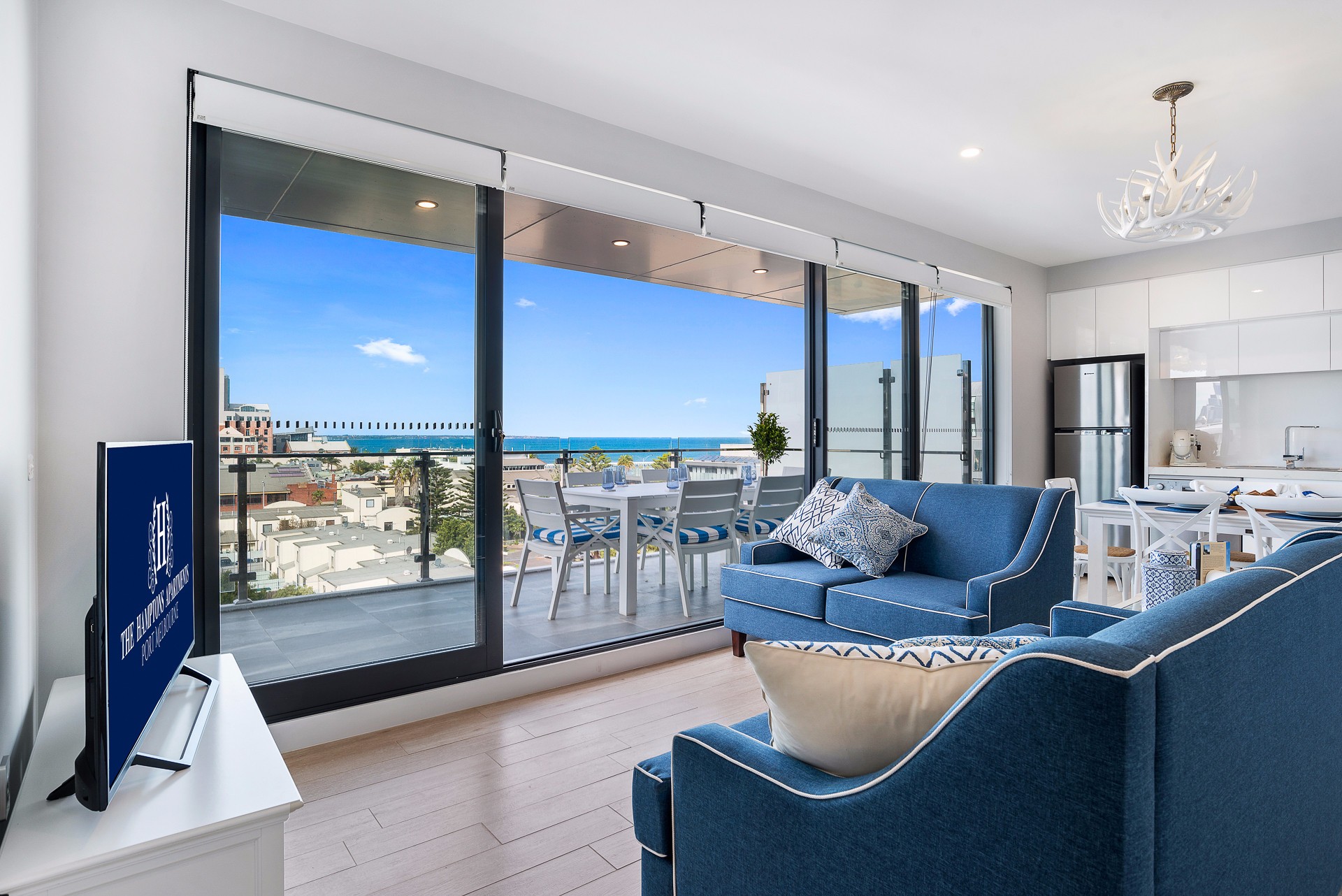
Choosing pet-friendly accommodation with suitable layouts, secure balconies, nearby exercise areas, and reasonable pet policies creates a more comfortable environment for both pets and their owners. Apartments designed with pets in mind can make daily routines easier while reducing stress for everyone in the household.
Many modern apartment communities now recognise the growing demand for pet-friendly living and are introducing features that support responsible pet ownership.
Professional Support Can Help
If a pet begins showing signs of persistent anxiety, excessive barking, destructive behaviour, appetite changes, or withdrawal, professional advice should be sought. Veterinary clinics and qualified animal behaviourists can identify whether underlying medical conditions or behavioural concerns require treatment.
Organisations such as RSPCA Australia also provide valuable educational resources on responsible pet ownership, environmental enrichment, behavioural health, and positive training methods. Their guidance helps owners better understand their pets' emotional needs and create home environments that promote long-term wellbeing.
Seeking advice early often prevents minor behavioural issues from becoming more significant problems.
Apartment Living Can Strengthen the Human-Animal Bond
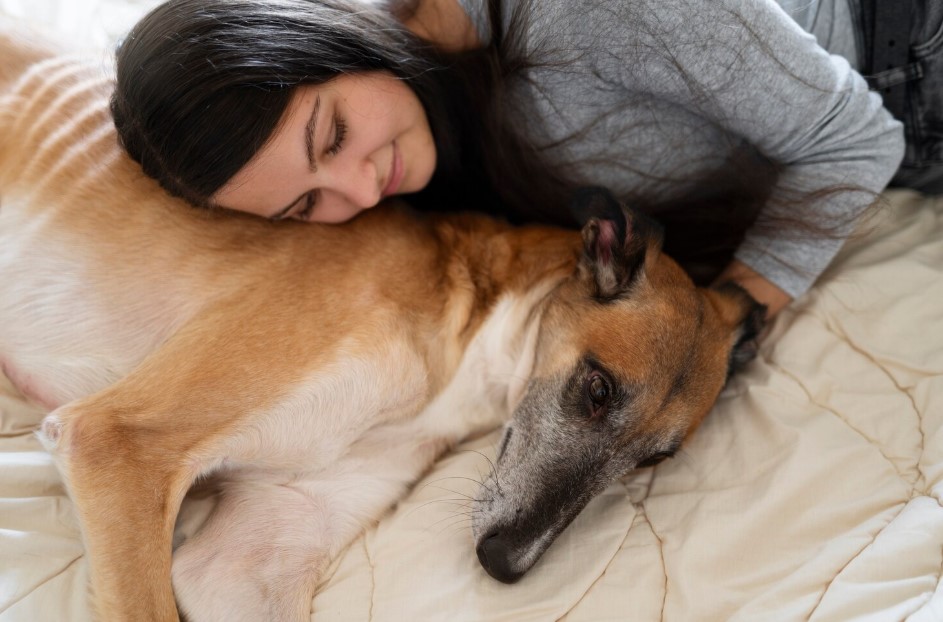
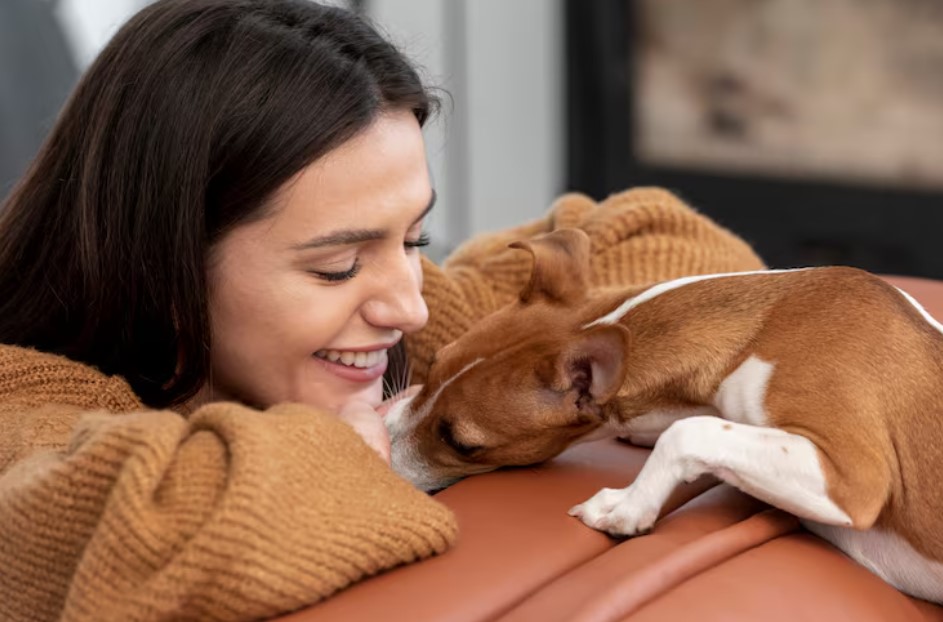
One unexpected benefit of apartment living is that owners and pets often spend more quality time together within shared living spaces. Frequent interaction encourages stronger relationships while allowing owners to notice changes in behaviour or health more quickly.
Whether relaxing on the sofa, enjoying daily walks, practising training exercises, or playing interactive games, these shared experiences strengthen trust and provide emotional benefits for both people and their pets.
Research continues to show that companion animals contribute positively to human mental health by reducing stress, encouraging physical activity, and providing emotional companionship.
A Happy Pet Is About More Than Space
Apartment living does not automatically limit a pet's happiness or mental wellbeing. What matters most is providing love, routine, enrichment, exercise, and opportunities for social interaction.
With thoughtful care, apartment pets can enjoy fulfilling, healthy lives that support both their physical and emotional health. By choosing suitable accommodation, maintaining consistent routines, and ensuring pets receive plenty of mental stimulation, owners can create a home where their companions feel safe, confident, and content.
Ultimately, a pet's happiness is measured not by the size of the home but by the quality of care, attention, and companionship they receive every day.