Apartment living has become an increasingly popular lifestyle choice, especially in major cities where convenience, accessibility, and vibrant neighbourhoods appeal to professionals, families, and travellers alike. Fortunately, apartment living doesn't mean giving up the joy of owning a pet. With thoughtful planning and consistent routines, dogs and cats can live happy, healthy, and fulfilling lives in smaller urban spaces.
Being an urban pet parent requires understanding your pet's physical and emotional needs while adapting your home and daily habits to suit apartment living. From creating enriching indoor environments to establishing regular exercise routines, there are many ways to help pets adjust comfortably to city life.
Establish a Predictable Routine
Pets thrive on consistency. Regular feeding times, daily walks, play sessions, and bedtime routines help create a sense of security and reduce stress.
Dogs, in particular, benefit from knowing when they can expect exercise and bathroom breaks. Cats also appreciate routine, often becoming more relaxed when meals and playtime occur at similar times each day.
Consistency helps minimise anxiety, especially for pets adjusting to a new apartment after moving.
Make the Most of Indoor Space
Even if your apartment is compact, you can create an engaging environment that supports your pet's mental and physical wellbeing.
For dogs, interactive toys, puzzle feeders, treat-dispensing games, and short indoor training sessions provide valuable mental stimulation. Cats benefit from climbing towers, scratching posts, window perches, and shelves that allow them to explore vertical spaces.
Rather than focusing on the size of the apartment, focus on creating opportunities for your pet to explore, play, and relax throughout the day.
Daily Exercise Is Essential
Regular exercise remains one of the most important aspects of successful apartment living with pets.
Dogs need daily walks not only for physical fitness but also for mental stimulation. Every new scent, sound, and interaction provides valuable enrichment that helps reduce boredom and unwanted behaviours.
Depending on your pet's breed and energy level, this may include multiple walks each day, visits to local parks, or games that encourage movement indoors.
Cats also require regular activity. Interactive toys, feather wands, laser pointers used responsibly, and climbing structures encourage natural hunting instincts while helping maintain a healthy weight.
Introduce Apartment Sounds Gradually
Apartment buildings naturally expose pets to unfamiliar sounds such as elevators, footsteps, doors closing, conversations, and nearby traffic.
Some pets adapt quickly, while others may initially become nervous or reactive.
Help your pet become comfortable by rewarding calm behaviour whenever new sounds occur. Positive reinforcement teaches animals that these noises are a normal part of daily life rather than something to fear.
Background music or white noise can also help reduce sensitivity to sudden sounds during the adjustment period.
Encourage Good Neighbour Etiquette
Living close to neighbours means responsible pet ownership becomes even more important.
Teaching dogs to remain calm when people walk past your apartment, avoiding excessive barking, and cleaning up after pets during walks all contribute to positive relationships within apartment communities.
Basic obedience commands such as "sit," "stay," "leave it," and "quiet" make everyday situations much easier to manage while improving safety for both pets and other residents.
Good manners benefit everyone sharing the building.
Prevent Loneliness
Many apartment pets spend time alone while their owners are at work.
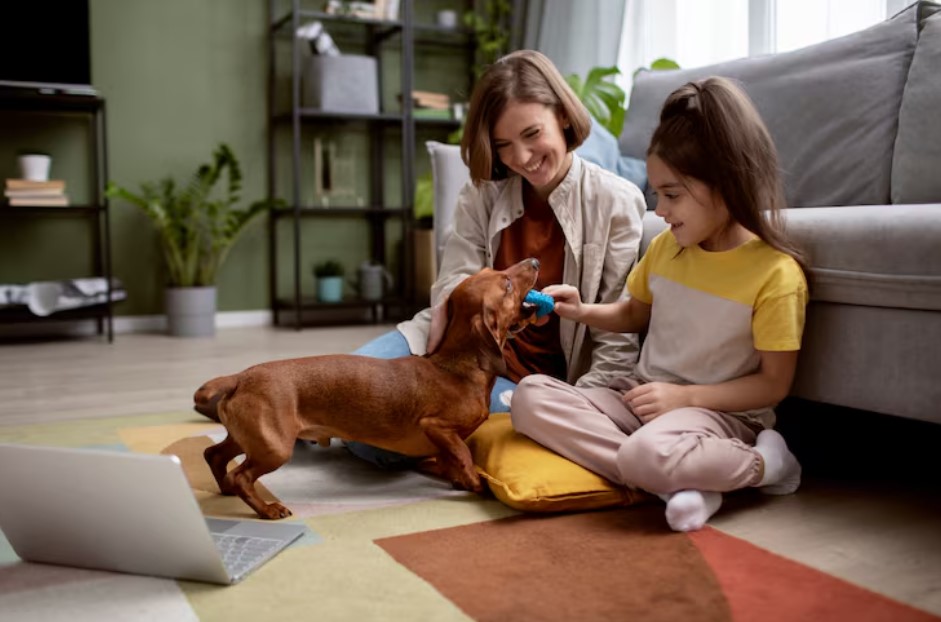
To reduce boredom, leave enrichment toys, puzzle feeders, or long-lasting chew items available throughout the day. Rotating toys every few days keeps activities interesting and encourages continued exploration.
For highly social dogs, professional dog walkers or occasional doggy daycare can provide additional exercise and companionship during longer absences.
Cats also appreciate environmental enrichment, particularly access to sunny windows, climbing structures, and places where they can observe outdoor activity.
Choose the Right Accommodation
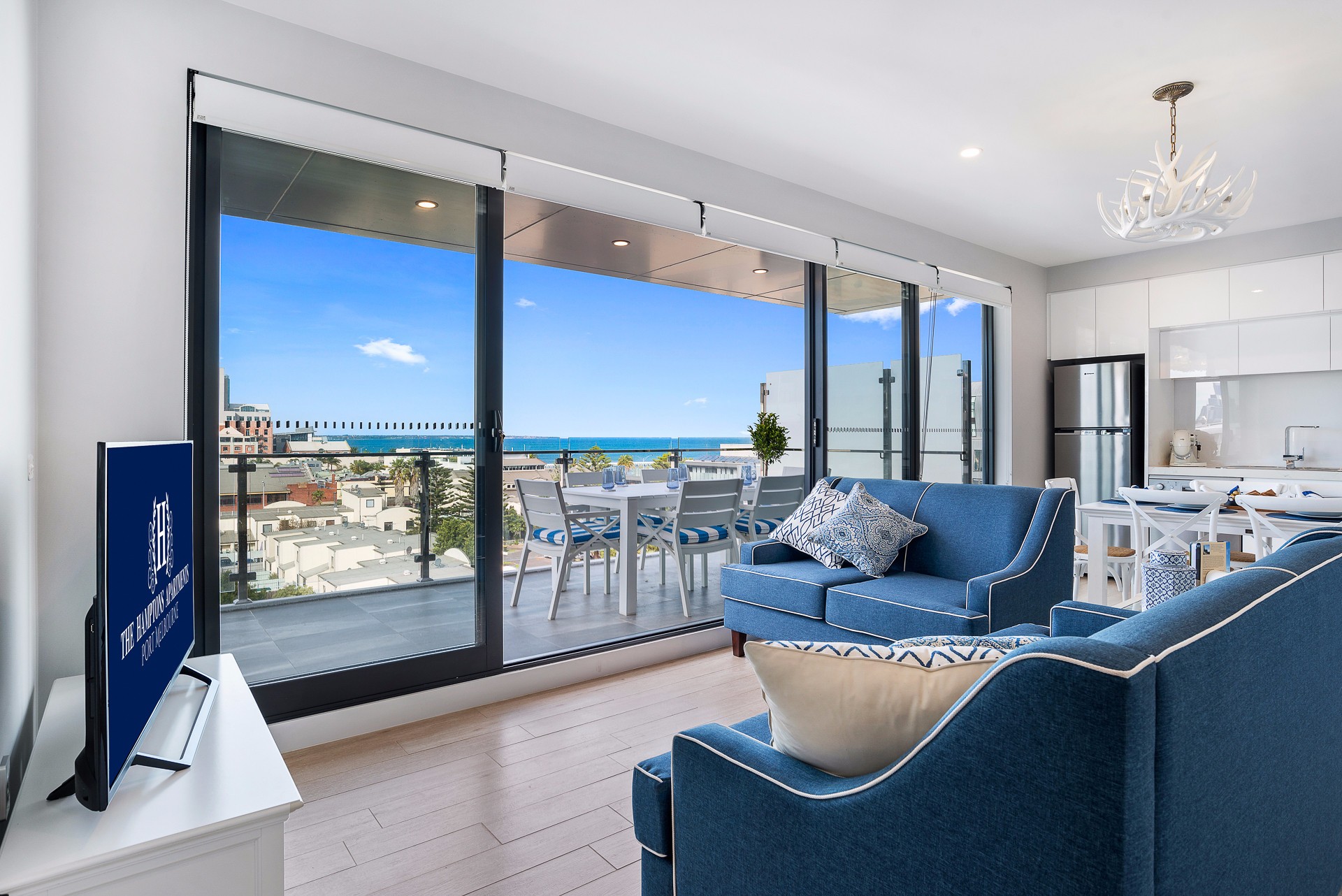
Finding suitable pet-friendly accommodation in Melbourne can significantly improve both your experience and your pet's wellbeing. Rather than simply checking whether pets are permitted, consider whether the property offers features that support responsible pet ownership.
Look for accommodation close to parks, walking trails, veterinary clinics, and pet supply stores. Apartments with secure balconies, durable flooring, adequate natural light, and nearby green spaces often provide a more comfortable environment for pets.
Choosing accommodation designed with pets in mind helps simplify daily routines while making the transition to apartment living much smoother.
Work with Trusted Veterinary Professionals
Every pet adjusts differently to a new living environment. If your dog or cat shows ongoing signs of stress, separation anxiety, appetite changes, excessive vocalisation, or destructive behaviour, professional advice may be beneficial.
Australian veterinary providers such as Greencross Vets offer comprehensive services including behavioural advice, preventive healthcare, nutrition guidance, and wellness assessments. Their experienced veterinary teams can help owners understand behavioural changes and recommend practical strategies that support both physical health and emotional wellbeing.
Seeking professional guidance early often prevents small behavioural concerns from developing into more significant challenges, allowing pets to settle into apartment life with greater confidence.
Build Strong Bonds Through Training
Training isn't simply about teaching obedience—it strengthens communication and trust between owners and their pets.
Short daily training sessions using positive reinforcement improve focus, build confidence, and provide valuable mental exercise. Teaching simple commands, practising recall indoors, or introducing fun tricks all encourage learning while strengthening the human-animal bond.
Training also prepares pets to behave calmly in shared apartment spaces such as elevators, foyers, and communal gardens.
Apartment Living Can Be a Wonderful Lifestyle
Urban living offers many opportunities for pets and their owners to enjoy life together. Daily neighbourhood walks, visits to nearby parks, outdoor cafés that welcome dogs, and pet-friendly community events all contribute to enriching experiences beyond the apartment itself.
With thoughtful routines, regular exercise, environmental enrichment, and patient training, apartment pets can enjoy every bit as much happiness as those living in larger homes.
Successful urban pet parenting isn't determined by the size of your apartment—it depends on the quality of care, attention, and companionship you provide. By understanding your pet's needs and creating a supportive environment, you can build a healthy, fulfilling lifestyle where both you and your furry companion thrive together in the heart of the city.