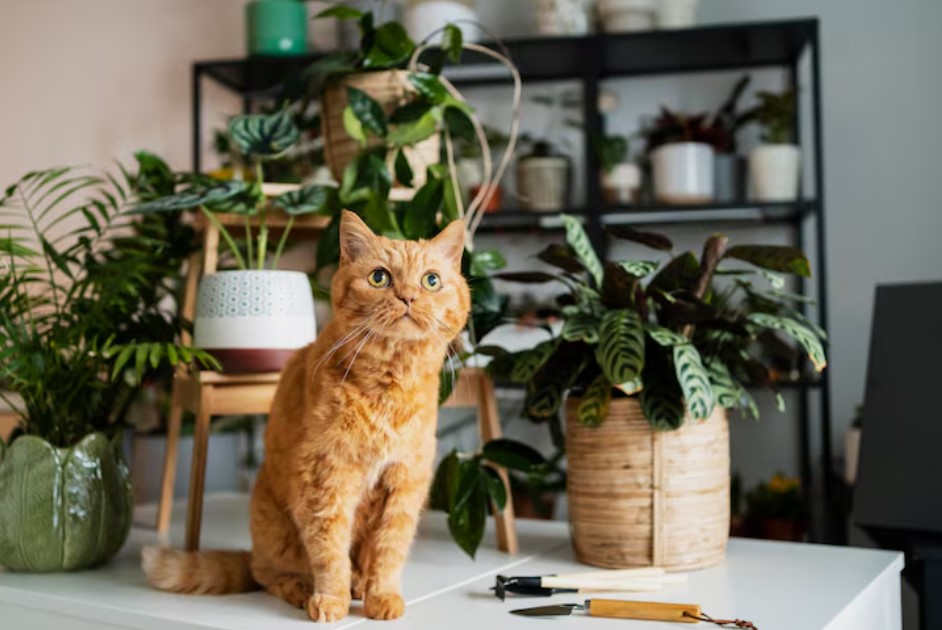
Indoor plants can brighten your living space, improve air quality, and even boost your mood. However, not all plants are safe for pets. Dogs and cats are naturally curious and may chew on leaves, stems, or flowers, which can lead to poisoning if the plant is toxic. As a responsible pet owner, it’s essential to know which indoor plants to avoid.
1. Lilies (Lilium species and Hemerocallis species)
Lilies are stunning and fragrant, but they are extremely toxic to cats. Even small amounts of pollen, leaves, or water from the vase can cause kidney failure in cats. Dogs are less sensitive, but ingestion can still cause vomiting and lethargy.
Safe alternative: Spider plants or Boston ferns.
2. Philodendrons (Philodendron species)
Philodendrons are popular for their lush, tropical leaves. Unfortunately, they contain calcium oxalate crystals which irritate the mouth, tongue, and throat when chewed. This can cause drooling, difficulty swallowing, and vomiting in both cats and dogs.
Safe alternative: Parlour palms or rubber plants (Ficus elastica) are non-toxic.
3. Pothos / Devil’s Ivy (Epipremnum aureum)
Pothos is a low-maintenance favourite for indoor hanging baskets. It contains insoluble calcium oxalates, which can cause oral irritation, vomiting, and difficulty swallowing if ingested. Dogs and cats are both susceptible.
Safe alternative: Peperomia or heartleaf philodendron (non-toxic varieties).
4. Dieffenbachia (Dumb Cane)
Dieffenbachia is known for its striking variegated leaves. It contains calcium oxalate crystals that can cause painful swelling in the mouth, tongue, and throat, excessive drooling, and difficulty swallowing in pets. Severe cases may require veterinary attention.
Safe alternative: Prayer plants or calathea species are pet-safe and colourful.
5. Snake Plant (Sansevieria trifasciata)
Snake plants are extremely popular for low-light indoor spaces. They contain saponins, which can cause nausea, vomiting, and diarrhea in pets if ingested. While not usually fatal, ingestion can make your pets very uncomfortable.
Safe alternative: Areca palms or bamboo palms.
6. Aloe Vera
Aloe vera is widely known for its medicinal benefits for humans, but it can be toxic to pets. It contains saponins and anthraquinones that can cause vomiting, diarrhea, lethargy, and tremors in cats and dogs.
Safe alternative: Spider plants or Boston ferns for greenery with no risk.
7. Peace Lily (Spathiphyllum)
Peace lilies are elegant and easy to care for, but they contain calcium oxalate crystals. Pets that chew on the leaves may experience drooling, oral irritation, vomiting, and difficulty swallowing.
Safe alternative: Ponytail palms or parlour palms.
8. Oleander (Nerium oleander)
Oleander is highly toxic and can affect the heart. Even small amounts ingested by pets can cause fatal arrhythmias. Keep this plant out of reach entirely—or better yet, avoid it indoors altogether.
Safe alternative: Pet-safe flowering plants like African violets.
9. Chrysanthemums (Chrysanthemum species)
Chrysanthemums contain pyrethrins, which can cause vomiting, diarrhea, and drooling in pets. Cats are especially sensitive. While beautiful, they are better suited to outdoor gardens away from curious paws.
Safe alternative: Maranta or Calathea plants.
Tips to Keep Pets Safe Around Indoor Plants
- Research before purchasing: Always check if a plant is toxic to cats or dogs before bringing it home.
- Use elevated or hanging planters: Keep plants out of your pet’s reach.
- Create a pet-safe zone: Use barriers to prevent pets from accessing certain rooms or areas.
- Provide alternatives: Chewable cat grass or pet-friendly herbs can divert attention from toxic plants.
- Know the symptoms: Vomiting, drooling, lethargy, or difficulty swallowing could indicate plant poisoning. Call a vet immediately if you suspect ingestion.
Pet-Friendly Apartments: A Safe Haven for Pets and Plants
For pet owners who live in or rent apartments, choosing pet-friendly apartments can make a huge difference. Many modern serviced apartments in cities like Melbourne are designed to accommodate pets with ample space, safe flooring, and balconies or small outdoor areas. By opting for a pet-friendly apartment, you can confidently have non-toxic plants indoors, knowing your furry friends have a safe environment to explore without risking injury from toxic greenery.
Final Thoughts
Bringing plants into your home doesn’t have to be risky for pets. By knowing which plants are toxic and choosing safer alternatives, you can enjoy the beauty of greenery while keeping your furry friends safe. Always monitor your pets around plants, and when in doubt, opt for pet-friendly indoor plants.