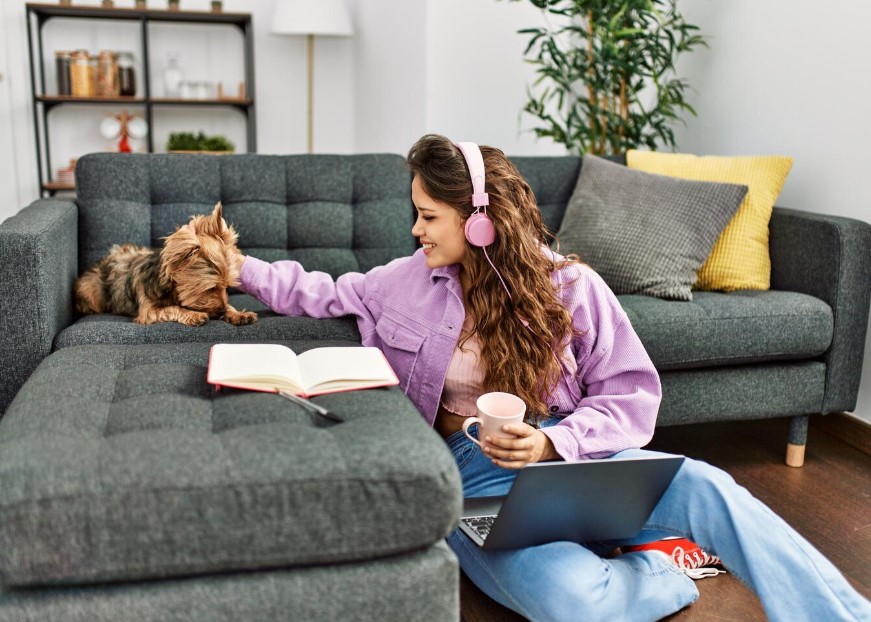
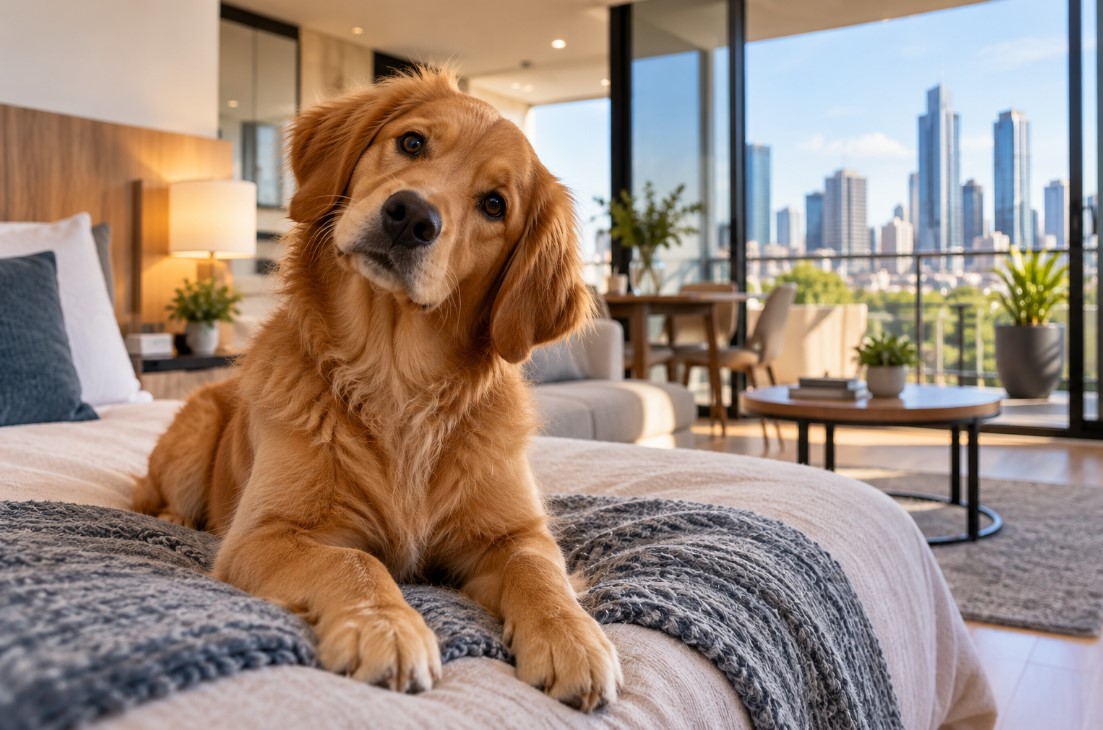
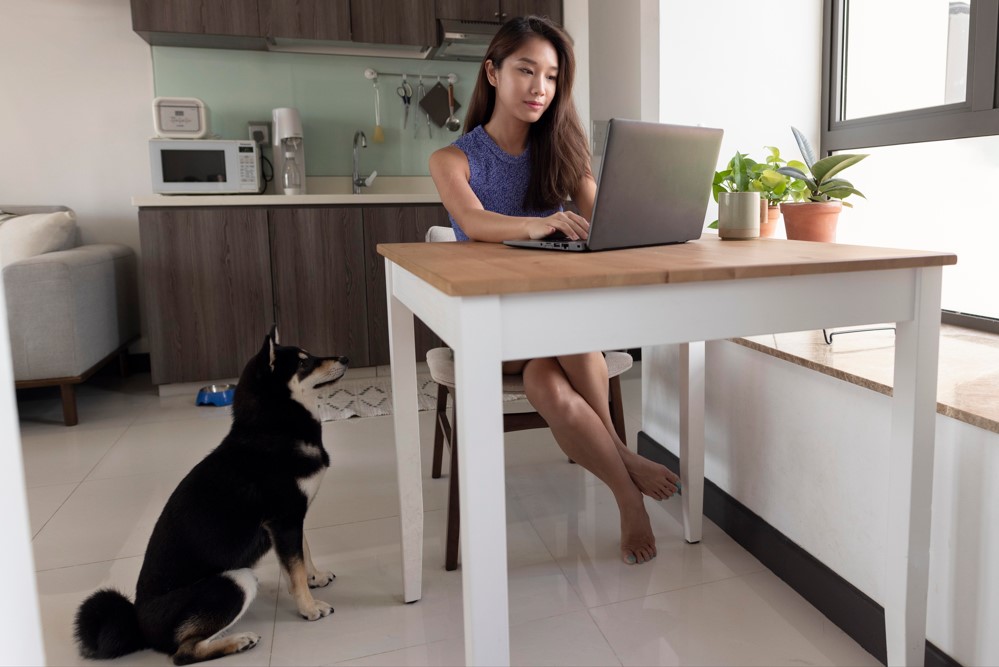
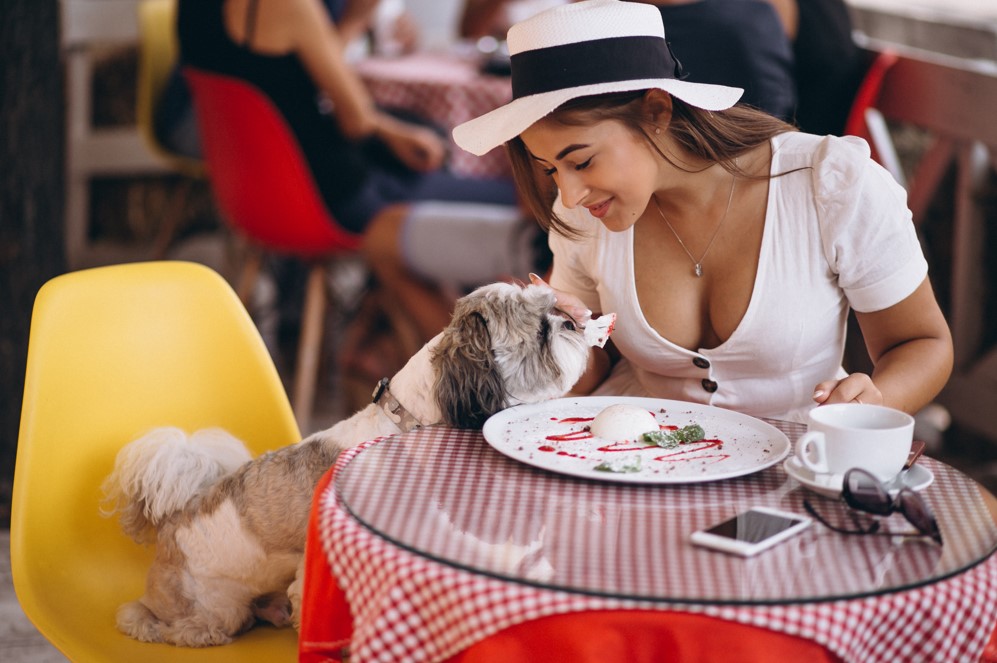
Living in an apartment with pets can be a rewarding experience, offering companionship, comfort, and a sense of home. However, apartment living also comes with certain responsibilities, particularly when it comes to managing limited space, maintaining cleanliness, and respecting neighbours.
Whether you own a playful puppy, an energetic dog, or a curious cat, creating a pet-friendly environment requires thoughtful planning. With the right approach, even a compact apartment can become a comfortable home for both you and your furry companion.
1. Choose an Apartment That Suits Your Pet's Needs
Not every apartment is suitable for every pet. Before moving in, consider your animal's size, temperament, activity level, and daily requirements.
For dogs, access to nearby parks, walking trails, and outdoor spaces can make a significant difference. Cats, on the other hand, may benefit from quiet indoor areas, climbing structures, and safe spaces where they can observe their surroundings.
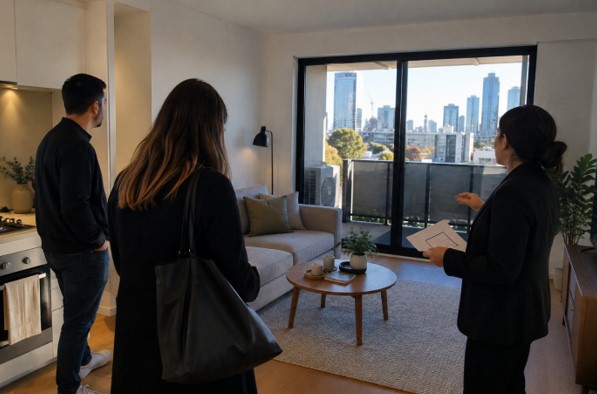
For those considering apartment living with pets in Melbourne, choosing the right location is particularly important. Suburbs such as Port Melbourne, St Kilda, Southbank, and Caulfield North offer different combinations of parks, walking paths, and local amenities. Selecting a pet-friendly apartment close to these facilities can make daily exercise and outdoor activities more convenient while supporting your pet's overall wellbeing.
2. Understand Building Rules and Pet Policies
Before bringing a pet into an apartment, familiarise yourself with the property's pet policies and building regulations.
Some apartment buildings have specific requirements regarding the use of shared spaces, noise levels, cleaning, and pet supervision. Depending on the property and applicable regulations, residents may also need to notify their landlord or obtain approval before keeping an animal.
In Victoria, renters generally have the right to request permission to keep a pet, and rental providers must follow the applicable legal process if they wish to refuse. Owners corporations may also have rules concerning animals in common areas.
Understanding these requirements helps prevent misunderstandings and ensures a more comfortable living arrangement for everyone.
3. Create a Comfortable Space for Your Pet
Pets need a designated area where they can rest and feel secure.
For dogs, a comfortable bed in a quiet corner can provide a familiar retreat. Cats may prefer elevated resting spaces, scratching posts, or enclosed beds where they can relax without disturbance.
Keep food bowls, toys, and bedding in consistent locations to help pets establish a routine.
If you are moving into a new apartment, introducing familiar items from your previous home can help your pet adjust to the unfamiliar surroundings.
4. Maintain a Regular Exercise Routine
One of the biggest challenges of apartment living with pets is ensuring they receive enough physical activity.
Dogs generally require regular walks, although their exercise needs vary depending on age, breed, and health. Daily outings provide opportunities for physical movement, mental stimulation, and social interaction.
Indoor playtime is also important. Puzzle toys, interactive games, and short training sessions can help keep dogs entertained between walks.
Cats benefit from climbing structures, scratching posts, and toys that encourage natural hunting behaviours.
A consistent exercise routine can help reduce boredom and support your pet's physical and mental wellbeing.
5. Manage Noise and Respect Your Neighbours
Apartment buildings often have shared walls, corridors, and communal areas, making noise management an important responsibility for pet owners.
Dogs that bark excessively when left alone may disturb neighbours, while energetic pets running across hard floors can create unwanted noise.
Providing sufficient exercise, enrichment activities, and positive reinforcement training may help reduce these behaviours.
If your dog experiences separation-related distress, consider seeking guidance from a veterinarian or qualified animal behaviour professional.
Maintaining respectful relationships with neighbours helps create a welcoming environment for both residents and their pets.
6. Keep Your Apartment Clean and Hygienic
Maintaining cleanliness is essential when sharing a smaller living space with animals.
Regular vacuuming helps manage pet hair, while washing bedding and cleaning food bowls can reduce unpleasant odours.
For cats, litter boxes should be cleaned frequently and placed in accessible, well-ventilated areas.
Pet-safe cleaning products are also important, particularly when dealing with accidental spills or stains.
A clean apartment not only creates a healthier environment for pets but also helps protect furniture, flooring, and other household surfaces.
7. Make Your Apartment Safe for Pets
Pets are naturally curious, and everyday household items can sometimes present unexpected hazards.
Secure electrical cords, store cleaning products safely, and keep potentially toxic plants out of reach.
Balconies and windows require particular attention. Dogs and cats should never be left unsupervised in areas where they could fall, escape, or become trapped.
Pet owners should also ensure that furniture is stable and that small objects that could be swallowed are stored securely.
Taking these precautions can significantly reduce the risk of accidents inside the apartment.
8. Help Your Pet Adjust to Apartment Living
Moving into a new apartment can be stressful for animals, especially those accustomed to larger homes or outdoor environments.
Introduce your pet gradually to the new space, allowing them time to explore at their own pace.
Maintain familiar feeding schedules, exercise routines, and sleeping arrangements whenever possible.
Positive reinforcement, patience, and consistency can help pets build confidence in their new surroundings.
Some animals adjust quickly, while others may need several weeks to feel completely comfortable.
Creating a Happy Home for You and Your Pet
Apartment living with pets can be both practical and enjoyable when owners understand their animals' needs and prepare their living spaces accordingly.
From choosing a suitable location to maintaining exercise routines and respecting building regulations, small adjustments can make a meaningful difference.
For people relocating to Melbourne or planning an extended stay, pet-friendly serviced apartments can provide a convenient accommodation option, combining the comforts of home with access to everyday amenities.
Ultimately, a happy pet does not necessarily need a large house or backyard. With proper care, attention, and a safe environment, apartment living can offer a fulfilling lifestyle for both pets and their owners.