Regular exercise is one of the most important aspects of responsible pet ownership. Just like humans, pets need physical activity to maintain a healthy weight, strengthen their muscles and joints, support mental wellbeing, and prevent boredom. While every pet has different exercise requirements depending on its age, breed, and health, a lack of activity can quickly lead to behavioural and physical problems.
For owners living in apartments, it is especially important to establish a consistent exercise routine. Fortunately, with regular walks, interactive play, and visits to nearby parks, apartment pets can enjoy healthy, fulfilling lives. Recognising the signs that your pet needs more exercise allows you to address the issue before it develops into a more serious health or behavioural concern.
Excessive Weight Gain
One of the most obvious indicators that your pet may not be getting enough exercise is weight gain.
When pets consume more calories than they burn, excess fat begins to accumulate. Obesity increases the risk of diabetes, arthritis, heart disease, breathing difficulties, and reduced life expectancy.
Regular walks, active play sessions, and portion control work together to maintain a healthy body condition. If your pet begins gaining weight despite eating the same diet, increasing daily activity may help restore balance.
Destructive Behaviour Around the Home
Dogs and cats that are under-exercised often look for ways to release their excess energy.
Chewing furniture, scratching carpets, digging in pot plants, knocking objects off shelves, or tearing up household items are common signs of boredom rather than bad behaviour.
Providing daily exercise combined with puzzle toys, training games, and enrichment activities helps redirect that energy into positive outlets.
Constant Restlessness
Does your dog pace around the apartment or constantly bring you toys? Does your cat repeatedly run through the house late at night?
Restlessness often signals that your pet still has unused energy. Pets that receive sufficient exercise usually settle more easily after walks or play sessions.
Short but frequent activities throughout the day can be just as beneficial as one long outing, particularly for busy owners.
Excessive Barking or Vocalisation
Dogs that bark excessively without an obvious reason may simply be trying to release frustration.
Similarly, some cats become unusually vocal when they lack stimulation or interaction.
While vocalisation can have many causes, inadequate exercise is frequently overlooked. Increasing physical activity often reduces unwanted barking or meowing by satisfying your pet's natural instincts.
Hyperactivity During Walks
If your dog becomes uncontrollably excited the moment the lead appears, pulls excessively, or seems unable to settle outdoors, they may not be receiving enough daily exercise.
Regular walks help dogs learn calm behaviours while providing opportunities to explore new environments through scent, which is mentally stimulating as well as physically rewarding.
Consistency is usually more effective than occasional long outings.
Difficulty Settling Indoors
Healthy pets naturally enjoy periods of rest.
However, pets that seem unable to relax, constantly seek attention, or repeatedly demand playtime throughout the day may simply need more structured exercise.
A combination of physical activity and mental stimulation generally results in calmer behaviour at home.
Increased Anxiety
Exercise plays an important role in reducing stress and anxiety.
Pets that spend long hours alone without sufficient activity may develop separation anxiety, excessive licking, pacing, or repetitive behaviours.
Daily exercise releases energy while promoting relaxation through natural endorphins, helping many pets feel more secure and content.
Reduced Social Skills
Dogs benefit greatly from meeting other dogs and experiencing different environments.
Without regular walks or visits to dog-friendly parks, some pets become fearful, overly excited, or reactive when encountering unfamiliar people or animals.
Controlled socialisation helps build confidence while encouraging appropriate behaviour around others.
Lack of Interest in Play
Although insufficient exercise often leads to excessive energy, the opposite can also occur.
Pets that are overweight or physically unfit may gradually lose enthusiasm for games and outdoor activities because movement becomes uncomfortable.
Gradually rebuilding fitness through gentle walks and interactive play can restore energy and improve overall health.
Exercise Should Match Your Pet
Every pet has different exercise requirements.
Young, energetic breeds often require multiple daily walks and active games, while senior pets may benefit from shorter, gentler outings. Cats also need regular activity through climbing, chasing toys, and interactive play.
Rather than focusing only on duration, owners should consider quality exercise that combines movement with mental enrichment.
Pet-Friendly Apartments in Melbourne
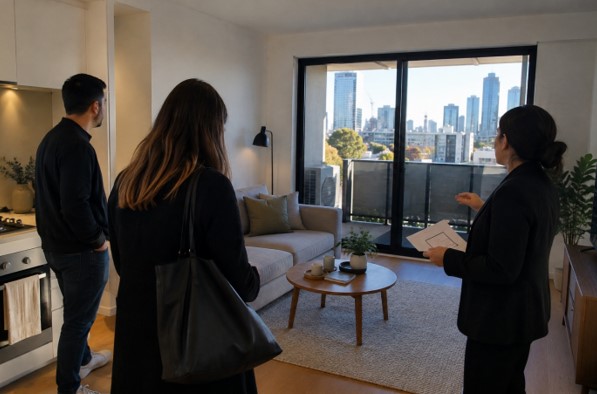
Choosing pet-friendly apartments in Melbourne makes it easier to provide pets with the active lifestyle they need. Apartments located near parks, walking trails, dog-friendly reserves, and open green spaces encourage regular exercise without requiring lengthy travel. Features such as durable flooring, secure balconies, nearby pet amenities, and access to outdoor recreation help pets remain physically active while adapting comfortably to apartment living. A thoughtfully located home allows owners to incorporate exercise naturally into their daily routines, supporting happier and healthier pets.
Regular Visits to Pet Clinics in Melbourne
Maintaining a relationship with trusted pet clinics in Melbourne is an important part of keeping your pet active and healthy. Veterinarians can assess your pet's weight, mobility, heart health, and overall fitness while providing personalised exercise recommendations based on age, breed, and medical history. Regular health checks also help identify conditions such as arthritis, joint disease, obesity, or heart problems that may affect your pet's ability to exercise comfortably. Early diagnosis and professional guidance ensure your companion remains active safely throughout every stage of life.
Final Thoughts
Exercise is far more than a way to burn energy—it supports your pet's physical health, emotional wellbeing, and overall quality of life. From preventing obesity and destructive behaviour to improving confidence and reducing anxiety, regular activity benefits every aspect of a pet's daily routine.
By recognising the early signs of insufficient exercise and responding with consistent walks, interactive play, and mental stimulation, owners can help their companions live longer, healthier, and happier lives. Combined with suitable accommodation and routine veterinary care, an active lifestyle is one of the greatest gifts you can give your pet.