Living in an apartment with pets can be a wonderful experience, offering comfort, companionship, and convenience. However, even the most beautifully furnished apartment may contain hidden hazards for curious dogs and cats.
From exposed electrical cords to unsecured cleaning products, everyday household items can present risks to animals exploring their surroundings.
Fortunately, creating a safer environment does not always require expensive equipment or major changes. With a little preparation, pet owners can address many common household hazards in under one hour.
Whether you're moving into a new apartment, preparing for a temporary stay, or welcoming a new pet, this simple checklist can help you get started.
1. Secure Electrical Cords and Small Objects (10 Minutes)
Pets, particularly puppies and kittens, are naturally curious. Loose electrical cables, charging cords, and small household objects can quickly attract their attention.
Start by checking areas around televisions, desks, bedside tables, and entertainment units.
Use cord organisers or protective cable covers to reduce access to electrical wires. Unplug unnecessary devices and keep chargers out of reach.
Remove small objects such as coins, batteries, hair ties, and children's toys that could become choking hazards if swallowed.
Taking a few minutes to organise these items can help prevent accidents.
2. Store Cleaning Products and Chemicals Safely (10 Minutes)
Many common household products can be harmful to pets if swallowed, inhaled, or brought into contact with their skin.
Check cupboards containing detergents, disinfectants, laundry products, and other cleaning supplies.
Store these items in secure cabinets, preferably with childproof latches if your pet can open doors.
Avoid leaving cleaning products unattended during household chores.
Also check whether any plants in your apartment are toxic to animals. Some popular indoor plants, including lilies, can be particularly dangerous to cats.
If you are unsure whether a plant is pet-safe, consult a veterinarian or a reliable animal welfare resource.
3. Check Windows, Balconies and Doors (10 Minutes)
Apartments often feature balconies, large windows, and sliding doors that provide natural light and attractive views.
However, these features require special attention when pets are present.
Inspect balcony railings for gaps where small animals could become trapped or escape.
Ensure windows have secure screens and never assume that a cat will avoid jumping or falling from an elevated area.
Balconies should only be accessible when appropriately secured for your pet.
Check entrance doors and sliding doors to make sure they close properly.
These precautions are especially important when moving into an unfamiliar apartment.
4. Create a Comfortable Pet Zone (10 Minutes)
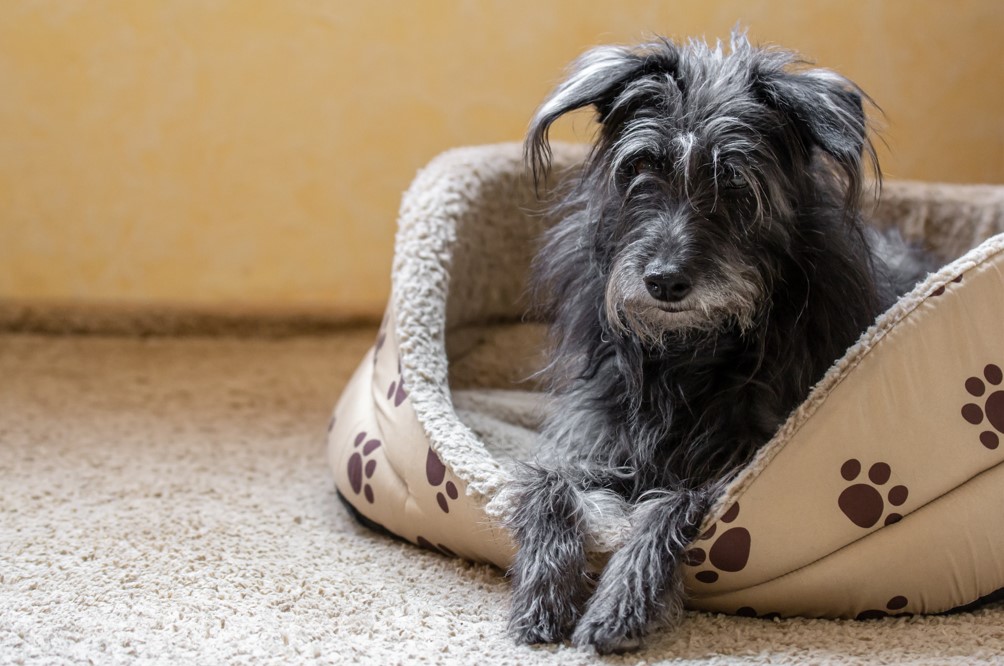
A dedicated resting area can help pets feel secure, particularly when adjusting to new surroundings.
Choose a quiet corner away from busy walkways, excessive noise, and direct heat.
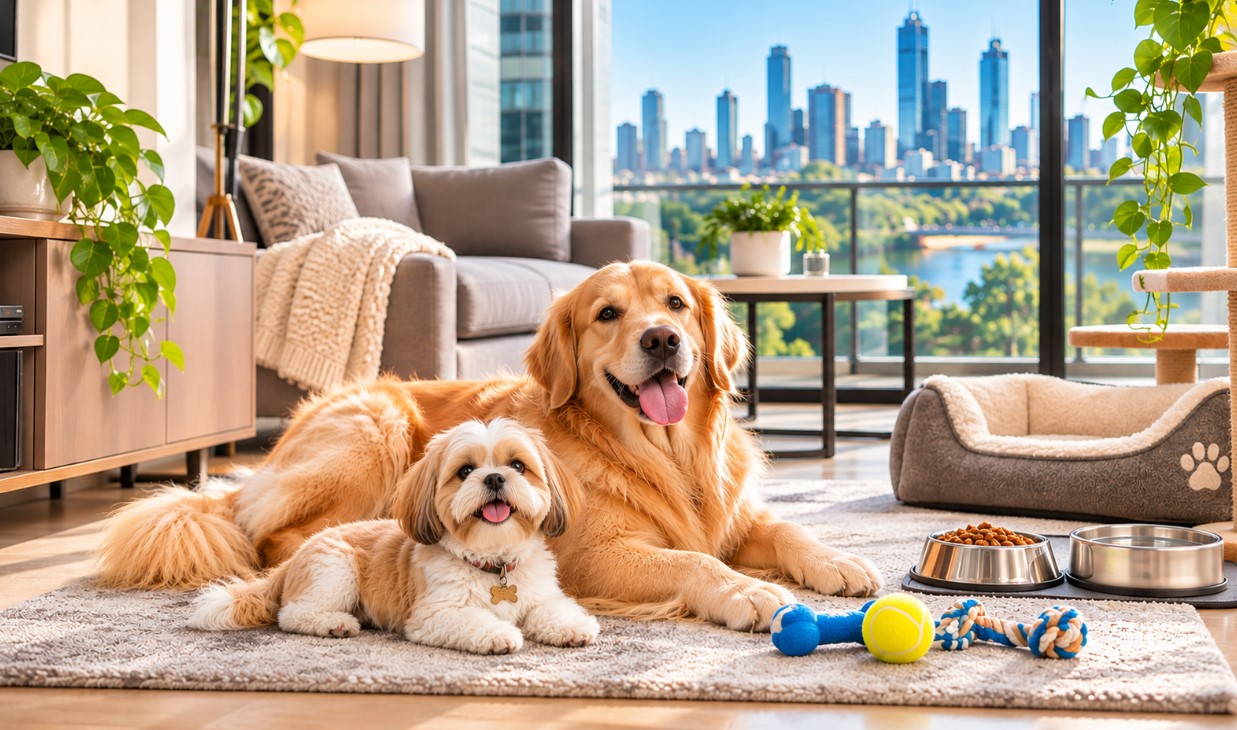
Place comfortable bedding, familiar toys, and fresh drinking water nearby.
For dogs, a designated sleeping space can provide a consistent place to relax after walks.
Cats may appreciate a quiet hiding place, an accessible scratching surface, and a separate area for their litter tray.
If you are travelling with your pet, bringing familiar belongings can help reduce stress associated with a change in environment.
5. Protect Furniture and Remove Potential Hazards (10 Minutes)
Pets may accidentally damage furniture while exploring their surroundings, particularly when they are excited or adjusting to a new home.
Use washable furniture covers where appropriate and keep delicate decorative items out of reach.
Check for unstable lamps, loose ornaments, and objects that could fall if bumped.
Keep rubbish bins securely closed, especially those containing food scraps, bones, or packaging.
Ensure that medications, chocolate, grapes, and other potentially harmful foods are stored safely.
For cat owners, providing scratching posts can help redirect natural scratching behaviour away from furniture.
6. Prepare Your Apartment for Everyday Pet Care (10 Minutes)
The final step involves making sure your apartment supports your pet's daily routine.
Place food and water bowls in accessible locations, away from electrical equipment and cleaning supplies.
Keep leads, harnesses, waste bags, and grooming essentials together so they are easy to find.
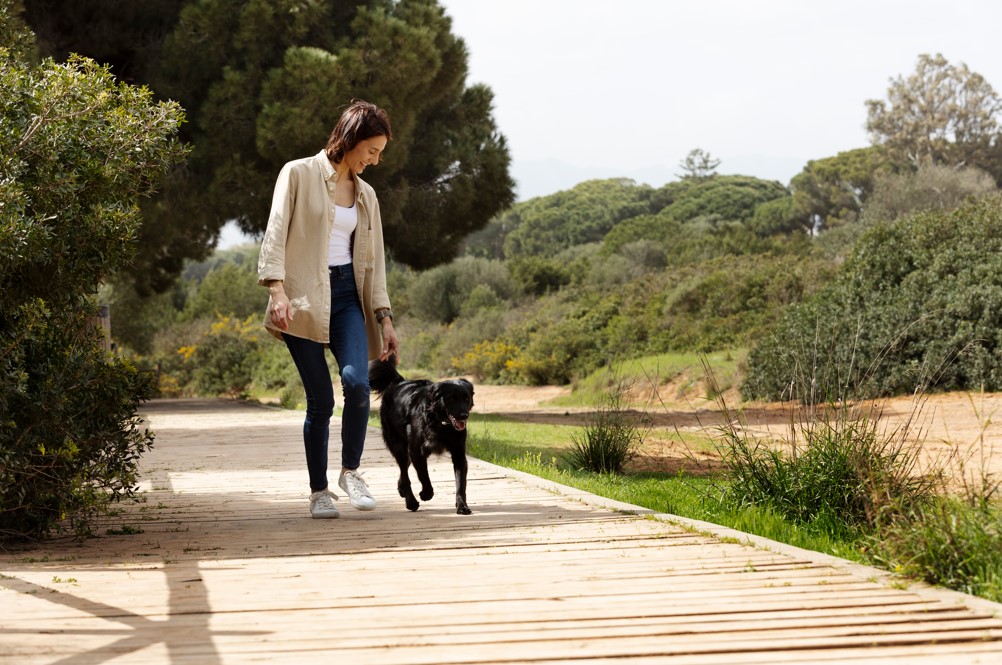
Identify a suitable area for cleaning muddy paws after outdoor walks.
If your apartment has tiled or timber flooring, consider using non-slip mats to help pets move comfortably.
For senior animals, ensure that resting areas, food bowls, and other essentials can be reached without unnecessary jumping or climbing.
Choosing Pet-Friendly Accommodation in Melbourne
Pet-proofing becomes especially important when travelling or relocating with animals.
Choosing suitable accommodation can make the transition easier for both pets and their owners.
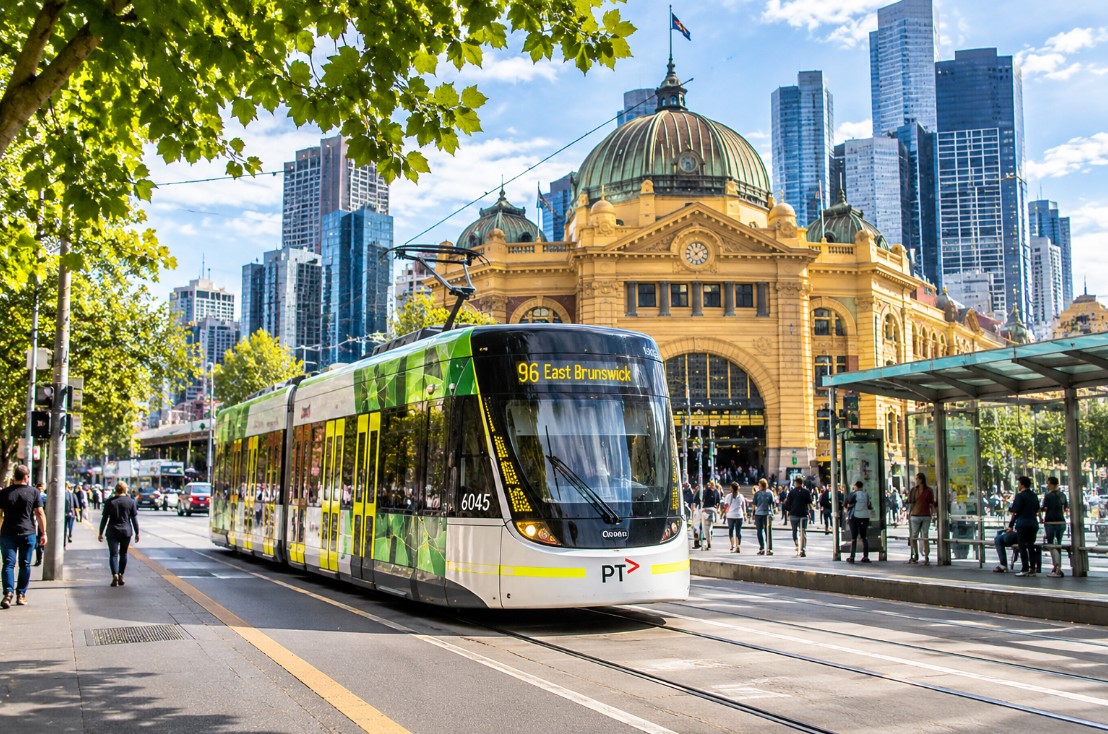
For travellers exploring the best pet-friendly areas to stay in Melbourne, neighbourhoods such as Port Melbourne, St Kilda, and Southbank offer convenient access to walking paths, parks, and everyday amenities.
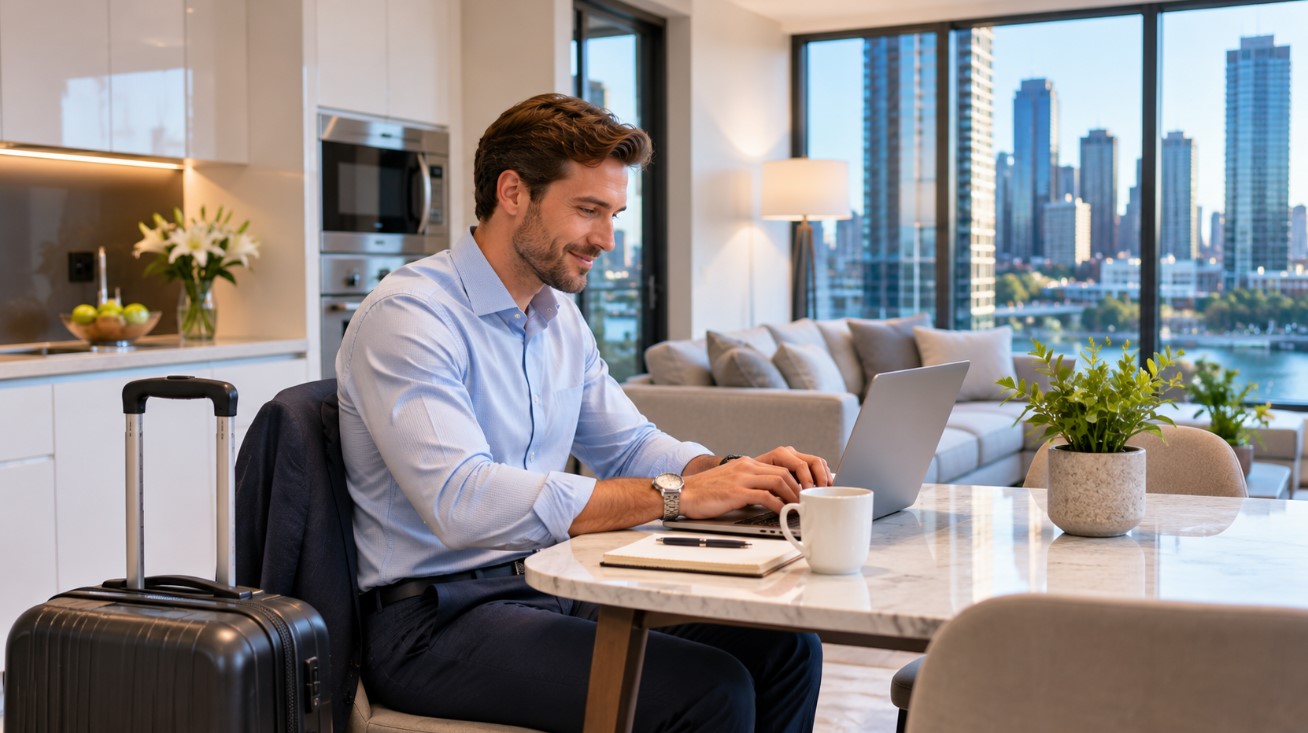
Fully furnished serviced apartments can provide practical living spaces for extended stays, allowing guests to maintain familiar routines while enjoying the convenience of apartment living.
Before booking, always confirm the property's pet policy, building regulations, and any restrictions relating to balconies or outdoor spaces.
Responsible Pet Ownership Starts at Home
Creating a safe apartment is an important part of responsible pet ownership.
Regularly inspecting your living environment, removing hazards, and providing appropriate enrichment can help protect your pet's wellbeing.
Remember that pet-proofing is an ongoing responsibility. As animals grow, age, or develop new behaviours, their safety needs may change.
A Safer Apartment in Just 60 Minutes
Pet-proofing your apartment does not need to be complicated.
By dedicating approximately ten minutes to each important area, you can address many common household hazards and create a more comfortable environment for your furry companion.
Whether you're settling into a new Melbourne apartment or preparing for an extended stay, these simple precautions can help make apartment living safer and more enjoyable.
A little preparation today can make a big difference to your pet's comfort, safety, and happiness.