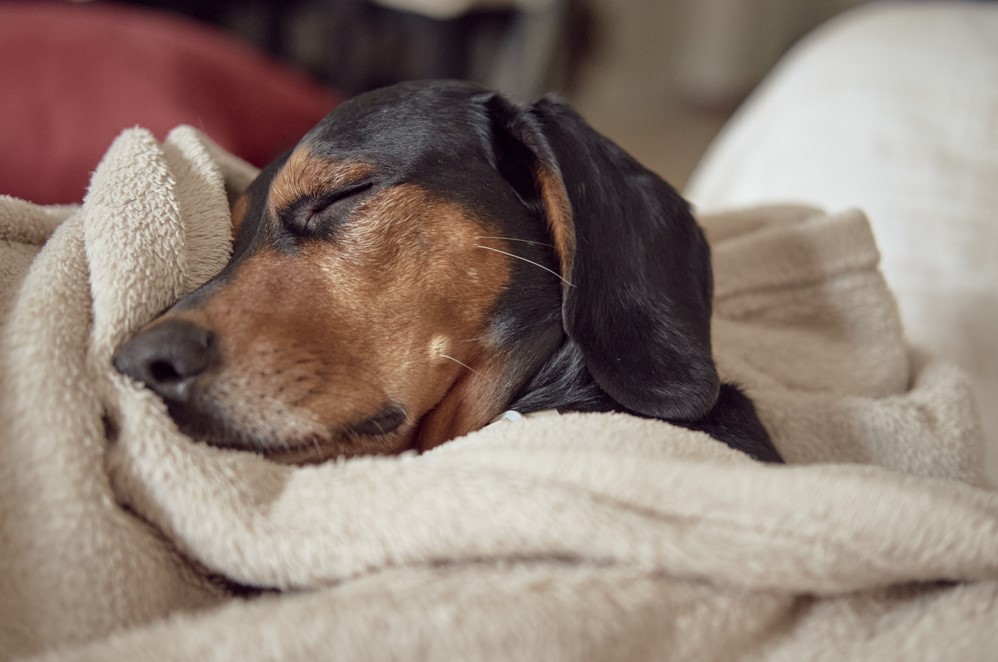
Have you ever watched your dog sleeping peacefully, only to notice its paws moving as though it were running? Or perhaps your cat suddenly twitches its whiskers or makes tiny sounds while resting? These adorable behaviours often leave pet owners wondering whether their furry companions are dreaming.
Although animals cannot tell us what happens while they sleep, scientific research provides fascinating clues. Studies of animal sleep suggest that many mammals experience brain activity similar to that associated with dreaming in humans.
From chasing imaginary squirrels to revisiting familiar experiences, the possibility that pets dream offers another intriguing glimpse into their minds.
1. Do Dogs and Cats Really Dream?
Research strongly suggests that dogs and cats experience dream-like activity during sleep.
Like humans, many mammals cycle through different sleep stages, including rapid eye movement (REM) sleep and non-REM sleep.
REM sleep is particularly interesting because it is associated with vivid dreaming in humans. During this stage, brain activity increases while most skeletal muscles become temporarily inhibited, helping prevent physical movements associated with dreams.
Dogs and cats also experience REM sleep, leading researchers to believe they may have dream experiences.
However, because animals cannot describe their dreams, scientists cannot determine exactly what they see or experience while sleeping.
2. What Do Dogs Dream About?
One popular theory suggests that dogs may dream about familiar experiences from their daily lives.
These could include playing with toys, exploring parks, interacting with their owners, or engaging in other memorable activities.
Research involving sleeping rats has demonstrated that patterns of brain activity associated with navigating environments can reappear during sleep. These findings support the idea that animals may replay aspects of waking experiences.
Although this research does not prove exactly what dogs dream about, it provides valuable insight into how animal brains process memories.
So, when your dog moves its paws while sleeping, it might be experiencing dream-related activity, although the specific content remains unknown.
3. Do Cats Dream About Hunting?
Cats are natural hunters, and their sleeping behaviour sometimes resembles movements associated with stalking or chasing prey.
During sleep, cats may twitch their whiskers, move their paws, or make subtle facial movements.
Early research into feline REM sleep demonstrated that changes to brain mechanisms controlling muscle inhibition could produce complex movements during this stage.
These findings helped scientists investigate the relationship between REM sleep and dream-related behaviour.
While it is tempting to imagine cats dreaming about chasing mice or exploring their surroundings, researchers cannot confirm the precise content of feline dreams.
Nevertheless, their sleep patterns suggest that dreaming may be part of normal feline brain activity.
4. Why Do Pets Twitch or Make Sounds While Sleeping?
Small movements during sleep are common among dogs and cats.
You might notice your pet:
-
Twitching its paws or legs
-
Moving its whiskers or ears
-
Making quiet barking or meowing sounds
-
Moving its eyes beneath closed eyelids
-
Briefly changing its breathing pattern
These behaviours may occur during normal sleep and do not necessarily indicate distress.
However, not every movement is evidence of dreaming. Some movements may result from normal muscle activity or transitions between sleep stages.
If your pet experiences unusually violent movements, prolonged stiffness, loss of bladder control, or difficulty waking, seek veterinary advice to rule out possible medical conditions.
5. How Much Sleep Do Pets Need?
Sleep requirements vary depending on an animal's age, species, health, and activity level.
Adult dogs commonly sleep around 12–14 hours daily, although individual needs differ. Puppies and senior dogs may require additional rest.
Cats often sleep approximately 12–16 hours a day, with some spending even longer periods resting.
Sleep plays an important role in physical recovery, memory processing, and general wellbeing.
For pet owners living in apartments, providing a comfortable and quiet sleeping environment can help support healthy rest.
Those searching for pet-friendly serviced apartments in Melbourne may benefit from choosing accommodation with suitable living spaces where their animals can maintain familiar sleeping routines.
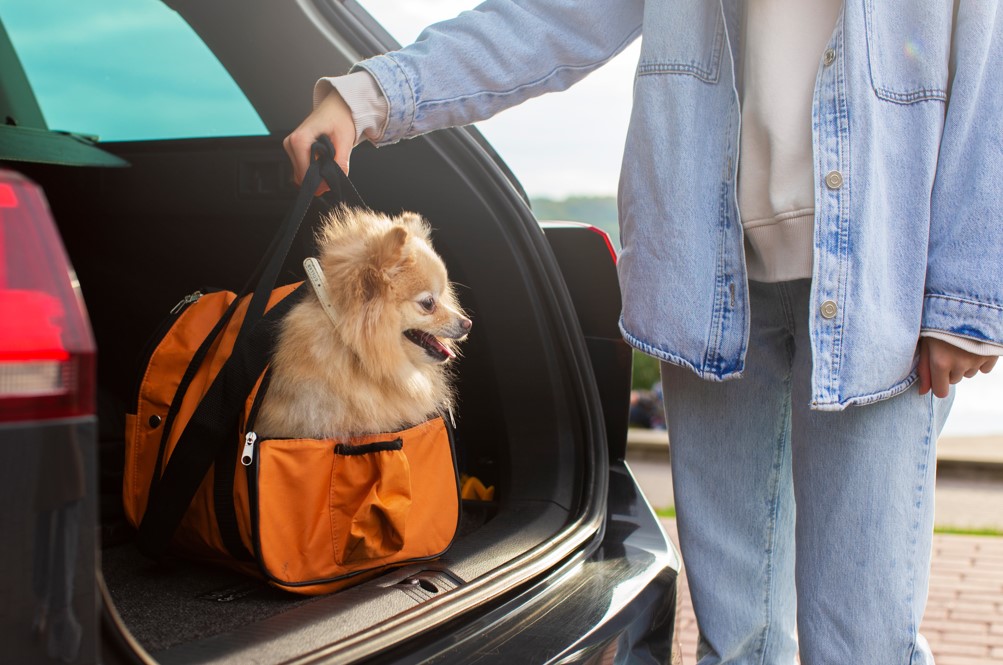
Bringing your pet's usual bedding and favourite toys can also help create a sense of comfort when staying somewhere new.
6. Should You Wake a Dreaming Pet?
Watching a pet twitch or make sounds during sleep can be entertaining, but it is generally best to let sleeping animals rest.
Suddenly waking a dog or cat may startle it, particularly if it is experiencing deep sleep.
Some animals may react defensively when awakened unexpectedly.
If you need to wake your pet, speak softly from a safe distance rather than touching or shaking it.
Allowing pets to complete their natural sleep cycles supports rest and recovery.
7. How to Improve Your Pet's Sleep Quality
Creating a comfortable sleeping environment is an important part of responsible pet ownership.
Provide a quiet resting area away from excessive noise, draughts, and frequently used walkways.
Comfortable bedding, appropriate room temperatures, and consistent daily routines can help pets settle more easily.
Regular exercise and mental stimulation also support healthy sleep patterns.
For older animals, supportive bedding and accessible sleeping areas may reduce discomfort associated with mobility difficulties.
If your pet suddenly begins sleeping significantly more or less than usual, consult a veterinarian.
The Fascinating Science Behind Pet Dreams
Although scientists cannot yet determine exactly what dogs and cats dream about, research into REM sleep and animal brain activity provides compelling evidence that dreaming may not be uniquely human.
The similarities between human and animal sleep suggest that our furry companions may process memories and experiences while resting.
Whether your dog appears to be running through an imaginary park or your cat twitches its whiskers during a peaceful nap, these moments remind us how fascinating animal behaviour can be.
By understanding their sleeping habits and providing a comfortable environment, pet owners can help their companions enjoy the restorative rest they need.
And while we may never know precisely what our pets dream about, imagining their favourite adventures is certainly part of the joy of sharing our lives with them.