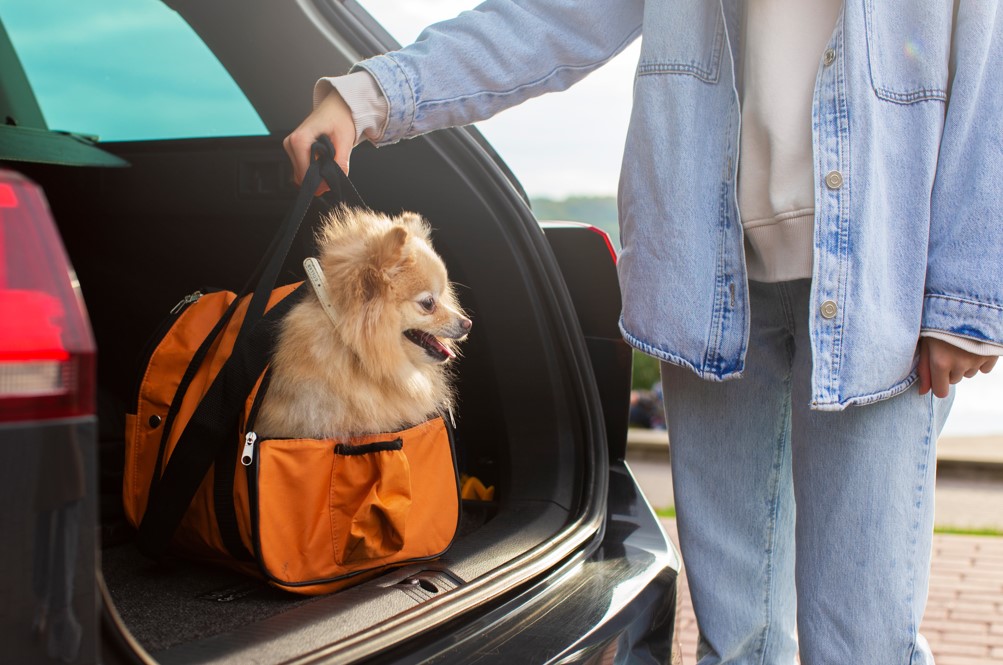
Travelling with pets can turn an ordinary road trip into a memorable adventure. Whether you're relocating to another city, visiting family, or exploring Australia's scenic destinations, bringing your furry companion along makes the experience even more special.
However, long car journeys require careful preparation, particularly for pets unfamiliar with extended travel. Changes in routine, unfamiliar surroundings, and hours spent inside a vehicle can sometimes cause stress or discomfort.
From packing essential supplies to choosing suitable accommodation, planning ahead can help ensure a smoother journey for both you and your pet.
1. Schedule a Veterinary Check-Up Before Travelling
Before embarking on a long road trip, consider scheduling a veterinary appointment, especially if your pet has existing health conditions or experiences travel anxiety.
Your veterinarian can assess your pet's general health, review vaccinations, and provide advice about motion sickness or anxiety.
If you're travelling interstate within Australia, check whether your destination has specific animal movement requirements.
Remember to bring vaccination records, identification details, and any prescribed medication your pet may need during the journey.
2. Help Your Pet Become Comfortable with Car Travel
Not every pet enjoys travelling by car. Some dogs become excited at the sight of a vehicle, while others experience nervousness or motion sickness.
If your pet is unfamiliar with car journeys, introduce them gradually.
Begin with short drives around your neighbourhood before progressing to longer trips. Reward calm behaviour with praise or treats to create positive associations.
For pets that experience severe travel anxiety, consult a veterinarian about appropriate management strategies.
Gradual preparation can make a significant difference when the time comes for a longer journey.
3. Pack a Pet Travel Essentials Bag
Just like humans, pets need essential supplies to remain comfortable throughout a road trip.
Prepare a dedicated travel bag containing:
-
Sufficient pet food and fresh drinking water
-
Portable food and water bowls
-
A comfortable blanket or familiar bedding
-
Leads, harnesses, and waste bags
-
Favourite toys and treats
-
Medication and basic first-aid supplies
-
Identification tags and veterinary documents
Keeping these items accessible means you won't need to unpack your entire vehicle whenever your pet needs something.
Familiar belongings can also provide reassurance when staying in unfamiliar accommodation.
4. Secure Your Pet Safely Inside the Vehicle
Safety should always be a priority when travelling with animals.
Pets should never be allowed to roam freely around the vehicle, as sudden braking or unexpected movements could cause injuries.
Use an appropriately fitted travel harness, secured carrier, or suitable restraint system designed for your pet.
Cats generally travel more comfortably in secure carriers, while dogs may benefit from properly fitted harnesses or crates.
Avoid allowing pets to sit on the driver's lap or obstruct vehicle controls.
You can also consult RSPCA Australia's pet care resources for guidance on responsible pet travel and animal welfare.
5. Plan Regular Breaks Along the Journey
Long periods inside a vehicle can be uncomfortable for pets, particularly energetic dogs.
Plan regular stops to allow your dog to stretch, drink water, and relieve itself.
A break approximately every two hours can be a useful starting point, although individual needs vary.
Choose safe stopping areas away from busy roads and ensure your pet remains secured on a lead when leaving the vehicle.
Never leave animals unattended inside a parked car. Temperatures can rise dangerously quickly, even when the weather appears mild.
6. Choose Pet-Friendly Accommodation in Advance
Finding suitable accommodation is one of the most important parts of planning an extended road trip.
Not all hotels and apartments welcome animals, and some properties have restrictions regarding pet size, breed, or number.
For travellers planning to spend time in Victoria, choosing pet-friendly serviced apartments in Melbourne can provide a practical alternative to traditional hotel rooms.
Fully furnished apartments may offer additional living space, kitchen facilities, and convenient access to nearby parks and walking paths.
Before booking, confirm pet policies, additional fees, and whether animals can be left unattended.
Selecting appropriate accommodation in advance helps avoid last-minute complications and provides a comfortable place to rest after a long drive.
7. Keep Your Pet Comfortable During the Drive
Maintaining a comfortable vehicle environment can help reduce travel-related stress.
Keep the temperature pleasant, provide adequate ventilation, and avoid playing excessively loud music.
Offer water during scheduled stops and avoid feeding large meals immediately before travelling if your pet is prone to motion sickness.
Observe your animal for signs of discomfort, including excessive panting, drooling, restlessness, or vomiting.
If symptoms persist, stop safely and seek veterinary advice when necessary.
8. Allow Time to Adjust After Arrival
Once you reach your destination, give your pet time to become familiar with its new surroundings.
Set up a comfortable resting area using familiar bedding and toys.
Maintain regular feeding, exercise, and sleeping schedules whenever possible.
Allow pets to explore gradually while ensuring doors, windows, and balconies are secure.
A calm introduction can help reduce stress and make the new environment feel more welcoming.
Making Road Trips Enjoyable for You and Your Pet
A successful road trip with pets involves more than simply packing their favourite toys and heading out on the highway.
Proper preparation, safe transportation, regular breaks, and suitable accommodation all contribute to a comfortable travel experience.
Whether you're exploring regional Australia, relocating for work, or planning an extended holiday in Melbourne, understanding your pet's needs can help make every journey more enjoyable.
With thoughtful planning and a little patience, travelling with your furry companion can become a rewarding experience filled with new destinations, shared adventures, and lasting memories.