When people plan a trip, most of the excitement revolves around destinations, attractions, food, and itineraries. Flights are booked, tours are researched, and must-see places are pinned on maps. Yet one of the most influential factors in shaping the overall travel experience is often underestimated: accommodation. Where you stay does not merely provide a place to sleep—it sets the tone for your comfort, convenience, and even your memories of the journey. From relaxation to productivity, accommodation plays a vital role in determining whether a trip feels stressful or seamless.
Comfort Shapes Your Daily Experience
After long days of sightseeing, business meetings, or travel transitions, returning to a comfortable space is essential. Quality accommodation provides a sense of rest and security that allows travellers to recharge physically and mentally. A well-designed room, a comfortable bed, and quiet surroundings can significantly improve sleep quality, which in turn affects mood, energy levels, and overall enjoyment of the trip.
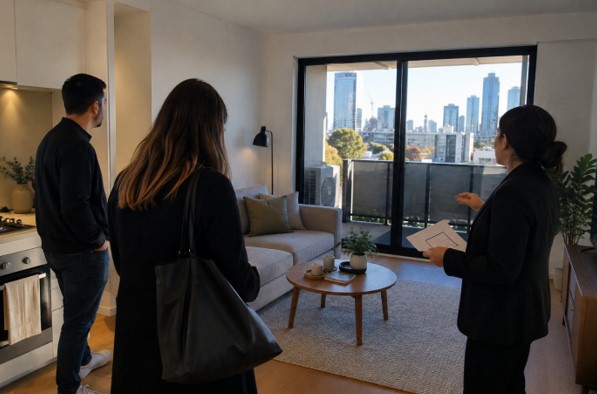
For longer stays, comfort becomes even more critical. Travellers who feel cramped or restricted may experience fatigue faster, while those staying in spacious environments often feel more relaxed and at home. This is one reason many travellers now prefer fully furnished apartments over traditional hotel rooms, as they offer separate living areas, kitchens, and laundry facilities that enhance daily comfort.
Location Influences Time and Convenience
Accommodation location can make or break a travel experience. Staying close to key attractions, business districts, or public transport hubs reduces commuting time and allows travellers to maximise their schedules. A centrally located stay can mean the difference between spending hours in traffic or enjoying an extra meal, activity, or moment of rest.
On the other hand, choosing accommodation far from planned activities may lead to unnecessary stress, transportation costs, and fatigue. Smart accommodation choices align with the purpose of the trip—whether leisure, business, or family travel—ensuring that travellers spend more time enjoying their destination and less time navigating it.
The Rise of Home-Style Stays
Modern travellers increasingly value flexibility and space. This has led to growing demand for options such as fully furnished apartments, serviced residences, and extended-stay accommodations. These options combine the convenience of hotel services with the comfort of a home environment. Having access to a kitchen allows travellers to prepare meals, accommodate dietary needs, or simply enjoy a quiet breakfast before heading out.
For families and groups, home-style accommodation provides shared spaces that encourage bonding and relaxation. For business travellers, it offers a productive environment with room to work, hold informal meetings, or unwind after a busy day. Including keywords like fully furnished apartments in travel planning searches has become common, reflecting a shift toward practical, lifestyle-oriented stays.
Cost Efficiency and Value for Money
Accommodation choices also affect travel budgets. While luxury hotels may offer premium experiences, alternative accommodation options often provide better value, especially for longer stays. Features such as in-room kitchens, laundry facilities, and inclusive amenities can reduce daily expenses on dining and services.
Value for money is not only about price but also about what is included. Spacious accommodation that supports daily routines can prevent hidden costs and enhance satisfaction. Travellers who feel they are getting genuine value are more likely to enjoy their trip without constant budget concerns.
Impact on Emotional Well-Being
Travel can be exhilarating, but it can also be overwhelming. A thoughtfully chosen accommodation can serve as a personal sanctuary amid unfamiliar surroundings. Natural light, calming interiors, and a sense of privacy contribute to emotional well-being, especially for travellers navigating busy cities or packed schedules.
For frequent travellers, familiarity and consistency matter. Staying in accommodation that feels welcoming and functional helps reduce travel fatigue and creates a sense of stability, even when moving between destinations.
Accommodation as Part of the Experience
In many cases, accommodation becomes part of the travel story itself. Unique stays—whether overlooking a city skyline, nestled near the beach, or located in a vibrant neighbourhood—add character to the journey. Travellers often remember not just where they went, but where they stayed and how it made them feel.
From morning coffee with a view to quiet evenings in a comfortable living space, accommodation influences the rhythm of a trip. It frames daily routines and shapes moments of rest between adventures.
Making Smarter Travel Decisions
Planning the perfect trip requires looking beyond flights and attractions. Accommodation should be chosen with intention, considering comfort, location, flexibility, and value. By aligning accommodation choices with travel goals, travellers can create smoother, more enjoyable experiences that leave lasting impressions.
Ultimately, where you stay is not just a backdrop—it is a central part of the journey. Thoughtful accommodation planning transforms trips from ordinary to exceptional, ensuring every day begins and ends on the right note.