As we all know, sleep is an essential part of our daily lives. However, it can be a challenge to get a good night's rest while traveling on a plane, particularly during long-haul flights. The constant noise, uncomfortable seats, and the inability to stretch our legs are just a few of the factors that can make it difficult to fall asleep while flying. Nevertheless, with the right strategies, it is possible to improve the quality of sleep we get on a plane. In this article, we will explore the best and worst times to sleep on a plane, as shared by sleep experts.
The Best Time to Sleep on a Plane
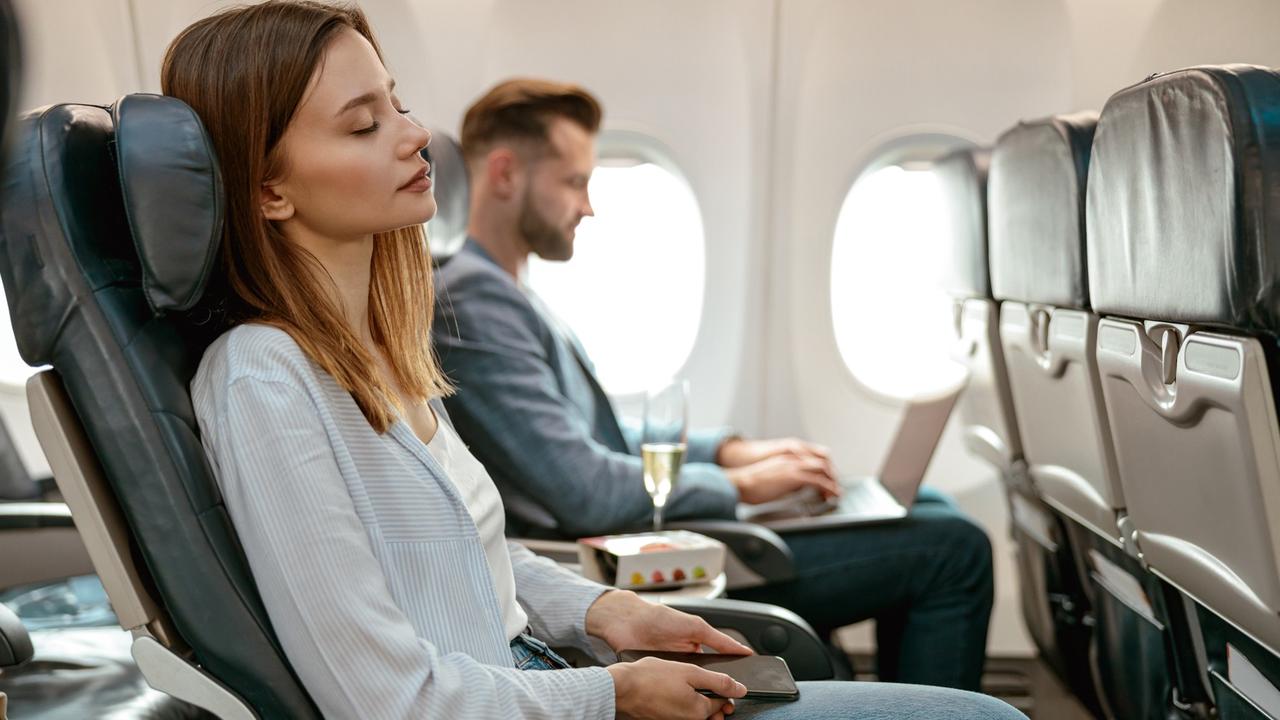
According to Dr. Michael Breus, a sleep expert, and author, the best time to sleep on a plane is during the second half of the flight. Typically, the first half of a flight involves meal service, drinks, and the flight attendants moving about the cabin, which can be distracting and make it hard to fall asleep. Therefore, it is advisable to wait until the cabin lights are dimmed, and the cabin is quieter before attempting to sleep. Most long-haul flights follow a schedule of dimming the cabin lights for a few hours in the middle of the flight, allowing passengers to sleep uninterrupted.
Additionally, Dr. Breus advises travelers to choose seats in the quieter part of the cabin. This can be at the front of the plane or the rear, depending on the airline. These seats are usually quieter as they are further away from the noise of the engines and the galley, where the flight attendants prepare meals and drinks. Furthermore, window seats can also be an excellent option as they provide a place to lean on and avoid disturbance from other passengers.
The Worst Time to Sleep on a Plane
Sleeping during takeoff and landing is not recommended. During these times, the plane experiences a lot of turbulence, and there is also a lot of noise from the engines, which can be unsettling for some people. Additionally, the flight attendants need to ensure that everyone is seated and has their seatbelts on, which can be distracting for passengers who are trying to sleep.
Another time to avoid sleeping on a plane is during short-haul flights. These flights typically last between one to four hours, and there may not be enough time to get quality sleep. It is better to spend this time reading a book, watching a movie, or doing some work.
Moreover, some sleep experts advise against drinking alcohol or consuming caffeine while flying, as they can disrupt sleep patterns. Caffeine is a stimulant that can make it difficult to fall asleep, while alcohol may cause drowsiness initially, but it can also disrupt sleep patterns and cause dehydration.
Tips for Sleeping Better on a Plane
- Choose the Right Seat: Choosing the right seat can make a big difference when it comes to getting good sleep on a plane. Window seats can be the best option as they provide a place to lean on and avoid disturbance from other passengers. Additionally, seats in the quieter part of the cabin, like the front or the rear, can also be helpful.
- Use Noise-Cancelling Headphones: A good pair of noise-canceling headphones can be a lifesaver when it comes to sleeping on a plane. They can help block out the noise of the engines and the cabin and create a more peaceful environment.
- Bring a Neck Pillow: Neck pillows can provide support for your head and neck and help prevent neck pain or stiffness. They come in different shapes and sizes, so it is essential to find one that works best for you.
- Wear Comfortable Clothing: Wearing comfortable clothes can help you relax and get more comfortable on the plane. It is advisable to wear loose-fitting clothing that is not too tight or restrictive.
- Use an Eye Mask: An eye mask can help block out light and create a dark environment, which can be helpful for falling asleep. It is also an excellent way to signal to other passengers that you are trying to sleep and avoid being disturbed.
- Bring Earplugs: If you don't have noise-canceling headphones, earplugs can also be a good option for blocking out noise and creating a quieter environment.
- Choose the Right Time to Sleep: As we discussed earlier, the second half of the flight is usually the best time to sleep on a plane. Wait until the cabin lights are dimmed, and the cabin is quieter before attempting to sleep.
- Avoid Caffeine and Alcohol: Caffeine and alcohol can disrupt sleep patterns, so it is best to avoid them while flying. Instead, drink plenty of water to stay hydrated.
- Adjust Your Sleeping Position: If you find it challenging to sleep in an upright position, you can try using a travel pillow to create a more comfortable sleeping position. You can also recline your seat if it is allowed, but make sure to check with the flight attendants first.
- Practice Good Sleep Hygiene: Practicing good sleep hygiene, such as sticking to a regular sleep schedule and creating a relaxing bedtime routine, can help you sleep better on a plane. Also, try to avoid using electronic devices before bedtime as the blue light emitted by these devices can interfere with your sleep patterns.