There is nothing worse than sitting there, waking up for 12 hours, getting ready for a long international flight across the ocean. Sleeping on an aeroplane can be difficult, but you can do a few things to ease your discomfort. Here are some expert tips for sleeping on planes.
- Reserve the red-eye effect. If your flight leaves during your normal bedtime, your body will already be sleepy by that time. Try to adapt to your new time zone as soon as you arrive (i.e. don't nap) to avoid the dreaded jet lag.
- Download the sleep app. Offering an initial 30-day free trial, subscription-based apps like Calm come preloaded with hundreds of guided meditations, music tracks, and sleep stories. Other free apps like White Noise offers everything from jungle roads to the sound of waves for a zen-like mindset.
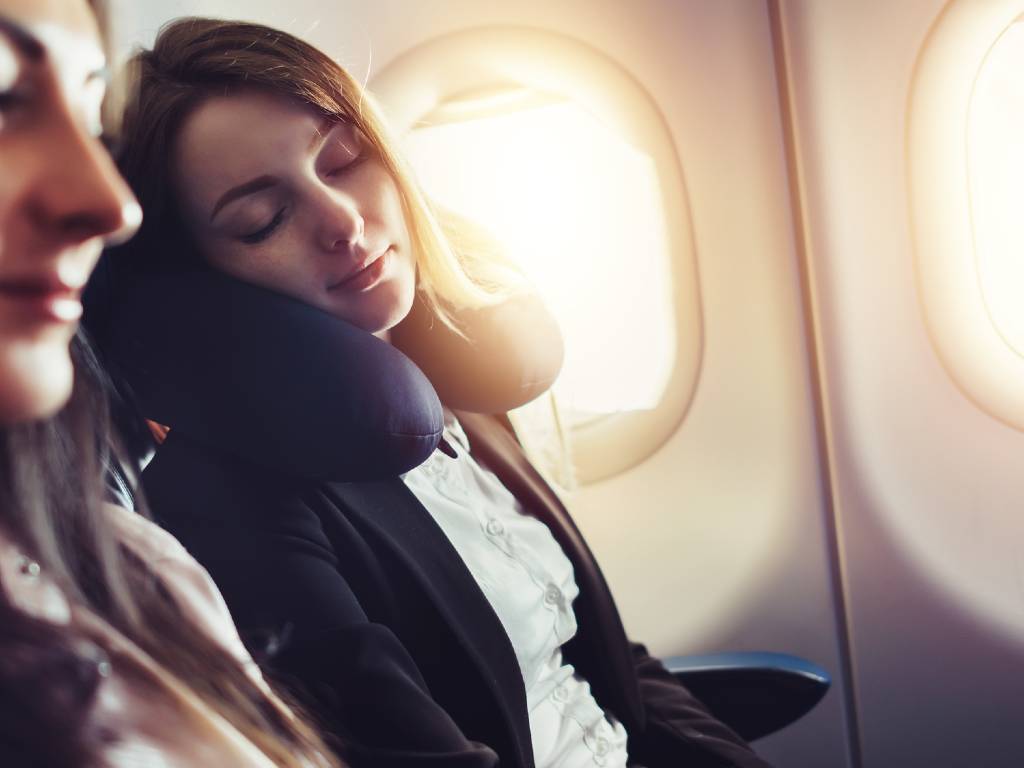
- Reserve a window seat. No one wants to be stuck in the middle for 12 hours, and if you choose the corridor, you may have to get up frequently to let your neighbours out. Having something to rest your head on helps a lot with falling asleep. Book a window seat if you want to enjoy ZZZ.
- ...or choose a seat away from the toilet. Sitting by the bathroom is taboo for people who are light sleepers and are easily awakened by people walking by.
- Get exhausted before your flight. Do you have afternoon or evening flights? Hit the gym or go for a run before heading to the airport to stay healthy and tired when your plane takes off.
- Please bring noise-canceling headphones. Good quality noise-cancelling headphones make it much easier to drown out the noise of other passengers around you, especially if you have children in the vehicle. If you don't want to invest in a pair of earbuds, or Bluetooth earbuds connected to your phone, it is your next best option. Sitting by the bathroom is taboo for people who are light sleepers and are easily awakened by people walking by.
- Upgrade your seat. Having a little more legroom or leaning back can make a big difference when you sleep. Even if you didn't choose the more expensive class at the time of purchase, airlines often offer to upgrade you to premium economy or business class at a lower rate at check-in if seats are available. (However, please note that economy basic fares usually do not allow paid upgrades.)
- Start adjusting your internal clock gradually over the next few days. If you're travelling to the east, where it's late, try going to bed an hour earlier each day, starting a few days (or weeks) before your trip so your body clock will eventually make up for the actual time zone change.
- Use alcohol sparingly. Free alcohol on international flights sounds tempting, but it's scientifically proven that alcohol consumption leads to unrefreshing sleep. So if you want to spend time in dreamland, skip it entirely (or limit yourself to just one glass of wine).
- Also, avoid caffeine. Limit caffeine intake throughout the day or on board, and avoid it completely if possible. If you're used to having liquids on hand, try decaffeinated herbal teas or sparkling water instead.
- Stay hydrated. There's a fine line between staying hydrated and not bothering your fellow passengers who go to the bathroom every hour, but planes are notoriously dry, and moisture is quickly expelled from your body. It goes without saying that dehydration can cause headaches, and headaches can cause nausea. So start hydrating well in advance of your flight and keep water flowing through your body at all times. No, beer doesn't count as hydration.
- Be careful what you eat. Carbohydrate-rich and spicy foods can cause indigestion. You know your body and its triggers. So give it what it feels most comfortable to sit in the same position for hours on end.
- Pack snacks. There's nothing worse than waking up hungry in the middle of the night. Especially when it's a whole new time zone and hours until your next meal, bring your own healthy snacks like muesli, energy bars, nuts, trail mixes and fruit to ward off hunger.
- Please bring an eye mask. The more you block out external factors like aircraft noise and light, the more likely you are to fall asleep. Choose one that fits your face, provides maximum comfort, and blocks annoying LEDs on your neighbour's ceiling.
- Bring your own blanket. Nothing makes you sleepy like the comfort of home. Needless to say, planes are cold anyway. Brrrrr.
- Stuff the pillows. Airlines may provide scratchy pillows for long-haul flights, but I think you'll sleep better if you bring your travel pillow. Tip: Choose a model like his Trtl with side support so you can sleep better sitting up, even if you don't have the option to lie deep in the seat.
- Please wear comfortable clothes. Gone are the days when business attire was required to fly. As you grow taller, your joints will swell, so loosen them up a bit. Wear loose, comfortable clothing for night flights, or bring pyjamas or workout clothes on board for changing when the lights are out. As is normal on planes, it's cold right after takeoff, so be sure to wear several layers (especially warm socks). Compression stockings should be worn whenever there is a risk of deep vein thrombosis.
- Stretch before (or during) your flight. Have you ever seen a yogi meditatively stretching after the booth lights dimmed? Because stretching reduces stress and puts you in a more restful state. If you don't feel comfortable doing a pose or two on the plane, do some stretching at the airport before you leave, or at least practice deep breathing before and during the flight.
- Put away your electronics. Blue light (radiation from cell phones, laptops, and other personal electronic devices) is known to disrupt circadian rhythms and suppress melatonin. After the plane has taken off, put away your electronic devices for a more restful sleep.
- Practice your usual routine before going to bed. Humans are creatures of habit, and the routines we make help trigger certain reactions in our bodies. For example, if you usually prepare for bed by drinking decaf tea and curling up for an hour reading a book, try doing the same when it's time to go to bed on the plane. Just doing a familiar routine can make you feel sleepy in the blink of an eye.
- Pack sleeping pills. If all else fails, plenty of commercial products like melatonin and ZzzQuil can support your sleep schedule (some people find CBD relaxing, but not all states and countries allow it). Be sure to do a dry run on-site to see what impact they have.
When everything goes wrong, and you can't sleep, you don't die from being tired all day. When you arrive, do your best to stay awake until your normal bedtime and replenish your vitamin D while exploring your destination. Adjust your body to the new time zone, and you'll almost certainly get a good night's sleep on your first night in the country.