Flight Centre Travel Group’s (FCTG) corporate brands — FCM Travel and Corporate Traveller — have achieved a standout year, reporting record transaction values and profit growth. Behind this performance is a clear shift: business clients increasingly favour premium travel.
Premium Cabins Lead the Charge
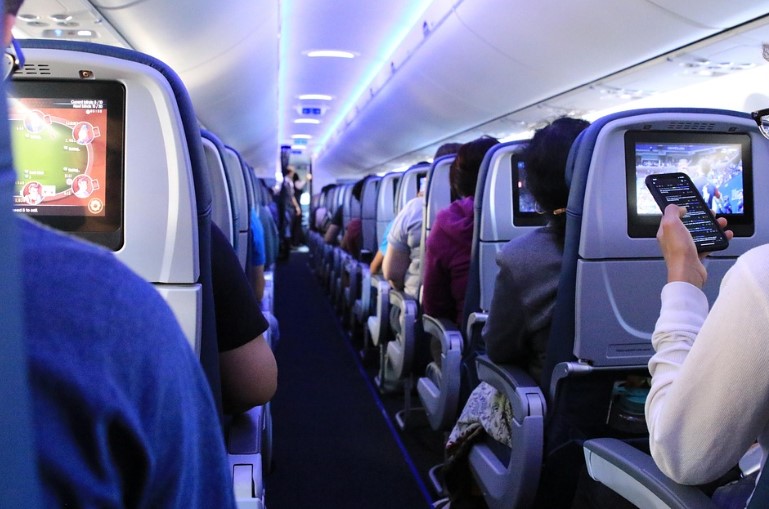
Premium economy bookings surged 9 per cent year-over-year, while business class demand increased by 5 per cent. According to Melissa Elf, global COO for FCM Travel and Corporate Traveller, the uptick in front-of-plane cabin sales occurs across both domestic and international markets.
Elf ties the trend to broader corporate behaviour: many companies believe that investing more in travel — especially in higher-class cabins — yields better productivity and rewards for staff.
Shifting Travel Intent Among Corporations
Globally, 45 per cent of FCTG’s corporate clients plan to increase their travel budgets in the current fiscal year; in Australia, that figure jumps to 47 per cent. Meanwhile, 37 per cent plan to maintain their travel spend at current levels, and only 7 per cent anticipate cuts.
Elf emphasises that rising operational costs have pushed businesses to scrutinise all activities. Yet travel remains a “non-discretionary” investment for many—one that supports revenue, market reach, and client relationships.
The Fate of the Economy and First Class
While economy bookings in Australia stayed relatively flat, first-class demand dipped. Elf suggests that the premium experience in business class—driven by airline innovations and cabin redesigns—now rivals what once was exclusive to first class. Airlines, she notes, are deliberately reconfiguring aircraft to expand premium economy and business class seating, and enhancing their top cabin offerings to compete more aggressively.
First class, she adds, remains a niche choice primarily for ultra-high-net-worth executives or top-tier VIPs. It’s a price jump many corporate clients are unwilling to make.
What This Means for Corporate Travel
- Premium rebound: Even amid economic pressures, many companies are opting to allocate more to travel, prioritising quality over quantity.
- Airline strategy shifts: Carriers are responding with seating configurations and service enhancements tailored to premium and business travellers.
- Future of first class: As business class continues to encroach upon what first class once offered, the role of ultra-luxury cabins may further narrow.