As business travel rebounds strongly in Australia, hotel operators face a critical moment: corporate guests expect more than just a room—they demand seamless technology, flexibility, and experiences tailored to their work‑life hybrid needs. In an exclusive op‑ed, JLL’s Ross Beardsell argues that this new era calls for unprecedented agility in hotel operations and service models.
Business Travel in Full Recovery Mode
Recent industry data underscores that travel is surging back—and then some. A Flight Centre survey found 37% of Australian/NZ companies conduct weekly trips, exceeding rates in the US or Asia. Meanwhile, despite economic uncertainties, 40% of businesses plan to increase travel in the next fiscal year, with corporate bookings up by 5% year-on-year.
Companies like Metricon, with offices spread across states, underscore the critical importance of face-to-face meetings—even as hybrid models persist.
What the Modern Corporate Traveller Expects
Digital-first convergence
Beardsell highlights that today’s business travellers don’t keep regular 9–5 hotel hours; many hold meetings, work remotely, and utilise hotel public spaces throughout the day. Smooth app-based booking, check-in/out, and account management have moved from luxuries to essentials.
Seamless in-room tech integration
Corporate guests expect a frictionless connection between their laptops, phones, and hotel in-room displays—so they can continue presentations or access streaming platforms. Easy-room access and smart devices are now baseline expectations for many business users.
Bleisure: Blurring Work and Play
Corporate travel now frequently includes leisure. The “bleisure” trend—when business trips blend into leisure time—is now mainstream. About a third of corporate trips incorporate leisure time, rising to 9–10% of long-haul itineraries. Cairns, for example, has earned the title of Australia’s “bleisure capital,” where business trips average eight days—double those to Melbourne or Sydney.
Hotels in these destinations now offer integrated environments—co‑working space by day, leisure amenities in the evening and at weekends.
How Hotels Should Adapt
1. Real-time connectivity everywhere
Be it high-speed Wi‑Fi in meeting rooms or plug-and-play workstation setups in lounges, reliable internet plus device integration is no longer a “nice-to-have.” JLL notes that hotels should ensure compatibility between mobile, laptop, and TV systems so travellers can bring their preferred platforms with them.
2. Tech-enabled convenience
Apps that allow mobile room access, digital check-in/out, and in-app account management reduce friction. They also free up staff to offer personalised service—especially valuable when guests arrive late after flights or meetings.
3. Flexible space design
Hotels need to shift from fixed business spaces to dynamic, multi-use areas. Lobbies and lounges should accommodate impromptu meetings, video calls, or quiet working setups—while still allowing leisure transitions.
4. Sustainability as a feature
Corporate travel now prioritises ESG compliance. Hotels should demonstrate sustainability credentials—carbon offset programs, energy-efficient operations, and partnerships with green travel providers—to align with corporate wellness policies.
Strategic Benefits of an Agile Hotel Model
- Higher occupancy and longer stays
Catering to bleisure allows hotels to capture extended bookings—blurring the line between corporate and leisure guests.
- Differentiated positioning
In a post-pandemic hospitality market, digital fluency and flexibility distinguish a hotel from standard offerings.
- Data-driven value adds
App-based services provide data insights—like peak times for arrivals or amenity usage—that inform pricing strategy and property improvements.
Final Takeaways for Hotel Leaders
- Agility isn’t optional—it's necessary. Ross Beardsell argues that hotels embracing tech, flexible spaces, and integrated services will lead in the post-pandemic landscape.
- Sustainability and digital convenience attract corporate clients. Today’s business travellers seek ESG-aligned partners and seamless tech touchpoints.
- Bleisure is an opportunity, not just a trend. Hotels across coastal and regional Australia—like Cairns—are reaping the benefits of extended stays that combine work with leisure.
- Adaptable policies and modular design can make the difference in capturing corporate loyalty and maximising revenue over longer stays.
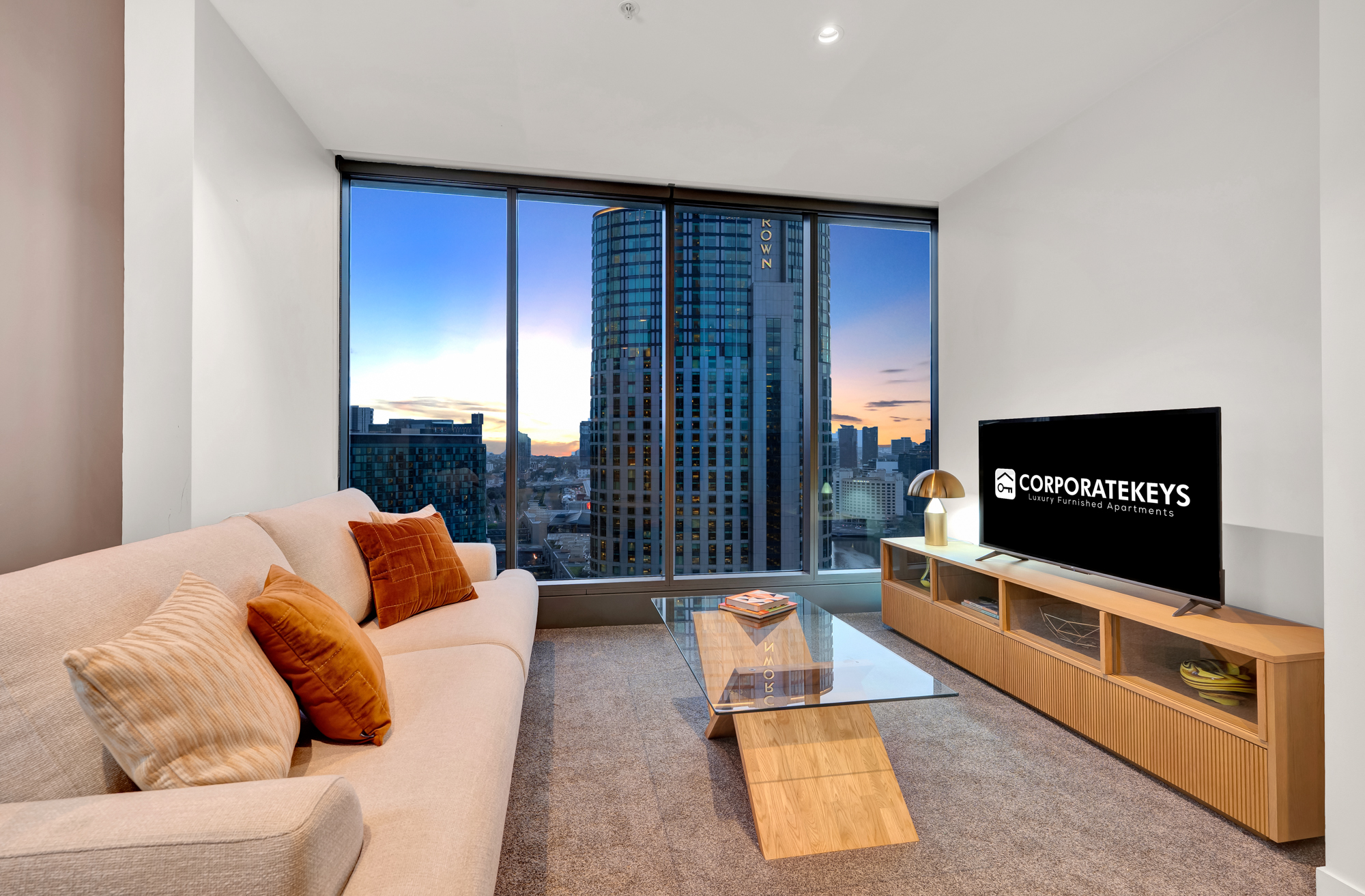
- Furnished apartment providers like Corporate Keys demonstrate the growing demand for flexible, fully equipped accommodations that cater to extended corporate stays. Their model—offering residential-style amenities with hotel-like service—underscores a shift in expectations around comfort, privacy, and value.
The New Standard in Corporate Hospitality
Corporate travel is no longer merely transactional—it’s experiential. Business travellers expect hotels to seamlessly integrate work, tech, and leisure. Branding alone won’t suffice; hotels must choose to be agile in their services, design, and digital infrastructure. Those that do will win the new era of corporate stays—where mobility, sustainability, and flexibility stand at the forefront.