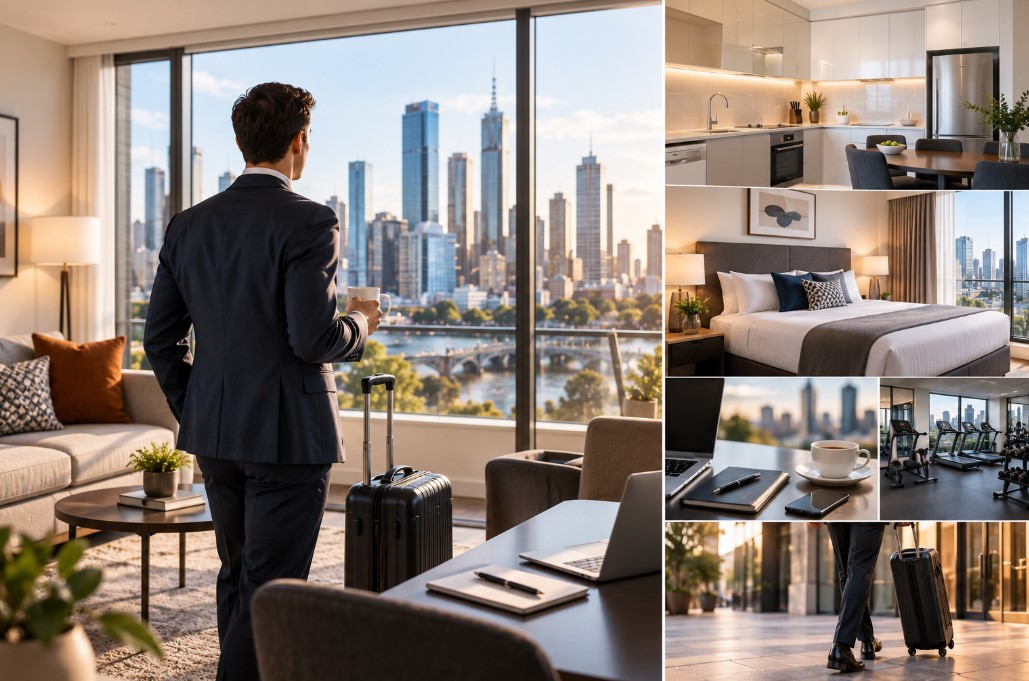
Shifts in business travel demand over the past three years have included trips that increasingly blend in leisure, as remote and hybrid work enable extended stays at hotels. Some hotel executives believe these shifts could be permanent.
Jerry Cataldo, president and CEO of Hostmark Hospitality Group, advised once business travel began to come back to CBD locations in April 2022, the patterns of travel differed from before. Some aspects of remote work remained, usually in a hybrid format.
Employees with hybrid options typically choose Monday and Friday as their remote days, leaving Tuesday, Wednesday and Thursday as prime business days, Cataldo said.
“There’s been a change in the corporate behaviour because people coming in and doing business and having dinners and so forth — they gotta be there when the people are in the office,” he said.
Since April 2022, Cataldo said Tuesdays and Wednesdays have been the strongest days of the week for corporate demand in urban markets.
“We could almost charge anything we want in some markets on those nights,” he said.
Cataldo said there’s longevity in this trend.
“My gut tells me that’s somewhat of a permanent change,” he said. “It might shift here or there, but it’s certainly not going to change in the near term, in my opinion, in those marketplaces.”
Business travel has been tougher on urban markets for the extended-stay segment, but smaller markets have been successful, said Talene Staab, brand leader of extended-stay brand Home2 Suites by Hilton.
Kevin Green, chief operating officer of Chartwell Hospitality, said Tuesdays and Wednesdays outpaced Fridays and Saturdays at some of his properties for the first time since COVID-19 lockdowns began. He said a key moving forward will be an increase in group travellers on the weekends to account for an expected decrease from high leisure demand.
“I don’t think that weekend customer is going to be as strong as it has been the last couple of years. I don’t know how long that weekend traveller will continue to spend that money that they’ve had in the last couple of years, especially if we go into that recession piece everybody’s talking about,” he said.
Staab said the average length of stay has extended in the past three years and remains higher than pre-pandemic levels at Home2 Suites hotels. The ideal booking at extended-stay serviced accommodation properties is for five nights, she said, especially considering the labour shortages across the industry.
“It helps keep check-out labour low, it’s less churn and burn on the front desk; for a million reasons the five-night stay is the goal,” she said. “But that’s hard to find.”
Although the average length of stay is higher than it was in 2019, it’s starting to slow down compared to recent years, Staab said. One of the reasons behind this is the lack of extended-stay segments among corporate travel.
Boosting business demand is crucial due to the ease of service compared to leisure travellers. Staab said in targeting leisure travel “you might be getting the same room nights, but it’s a harder way to get it.”
An extended-stay accommodation base is often needed to drive demand from those business travellers, Staab said. Without it, the formula doesn’t work as well.
What’s helped extend some business trips is leisure travel — the blend of business and leisure travel. Staab said Home2 Suites has been increasing its business rates at a faster clip than leisure travel due to the demand shift.
“We’re seeing people extend their short business trips, bring their kids along. We’re seeing a lot of that blended leisure business, which is helping the length of stay. All of that blending I think is good, but it is a different experience to running a hotel,” she said.
Corporate Housing continues to be in demand in central locations as companies continue with relocations, especially in light of recent staff shortages in various high-skilled industries.
Effect On Development
The shift in business demand has also changed how developers and investors operate around suburban office parks, said Lee Hunter, chief operating officer of Hunter Hotel Advisors. No one was interested in hotels in these areas just a year ago, but now conversion opportunities are possible if the surrounding offices are starting to fill up.
“People are watching — what's the return to work, the return to the office looks like with all those demand generators in that office building right there,” he said. “The suburban office parks, if they're not a ghost town, a lot of people will do that because they're betting that, ‘Hey, that McKesson is going to fill up that off that office building in Alpharetta and people coming to call on McKesson are going to stay there.”
The Corporate Keys Group has a wide selection of Hotel Operating and Management Models that allows developers to cater for specific market segments