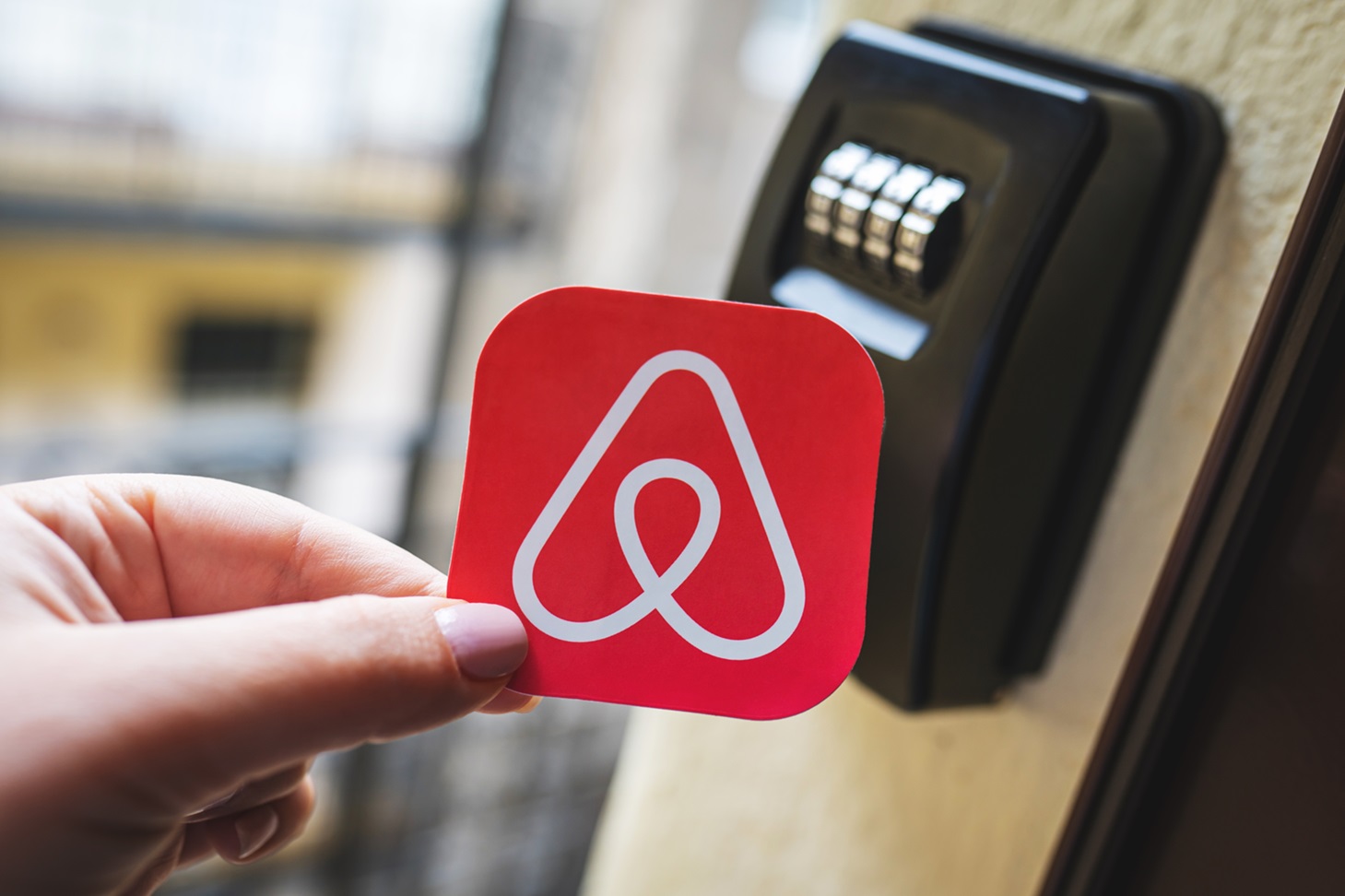
In the ever-evolving landscape of short-term rentals, ensuring secure and convenient access for guests is a top priority for hosts. While lock boxes have been a popular choice for providing keys or access codes to guests in the absence of physical handovers, hosts are increasingly exploring alternatives that offer enhanced security and ease of use. This article delves into various alternatives to Airbnb lock boxes, examining their features, benefits, and potential drawbacks.
Smart Locks:
One of the most prominent alternatives to traditional lock boxes is the integration of smart locks. Smart locks allow hosts to grant access to guests through a mobile app, eliminating the need for physical keys or codes. These locks often come equipped with features such as temporary access codes, remote locking and unlocking, and activity logs, providing both hosts and guests with added security and convenience.
Smart locks can be integrated with platforms like Airbnb, allowing seamless synchronization of guest check-in and check-out times. Some models even offer biometric authentication or Bluetooth connectivity, further enhancing security measures. While smart locks may have a higher initial cost, hosts often find the investment worthwhile for the added peace of mind and the ability to manage access remotely.
Keyless Entry Systems:
Keyless entry systems are another innovative solution gaining popularity among short-term rental hosts. These systems typically use electronic key fobs, RFID cards, or mobile apps to grant access. Keyless entry systems offer the advantage of being tamper-resistant and can be easily reprogrammed for each new guest. Additionally, they eliminate the need for physical keys, reducing the risk of lost or copied keys compromising security.
Some keyless entry systems are designed specifically for short-term rentals, offering features like automatic re-locking after entry, customizable access schedules, and integration with property management software. Hosts appreciate the flexibility and customization options these systems provide, making them an attractive alternative to traditional lock boxes.
Key Exchange Services:
Key exchange services act as intermediaries between hosts and guests, facilitating a secure and streamlined key handover process. These services can include physical key pick-up locations, keyless entry code distribution, or even coordination with local service providers for in-person check-ins. By outsourcing key exchange logistics, hosts can focus on other aspects of their rental property while ensuring a reliable and secure access solution for guests.
While key exchange services may come with additional fees, hosts value the time and effort saved, as well as the professional handling of key handovers. Some services also offer insurance or guarantees in the event of any issues, providing an extra layer of security for both hosts and guests.
Electronic Safes:
Electronic safes are an unconventional yet effective alternative for hosts seeking to secure keys or access codes. Hosts can place a smart safe within their property and provide guests with the access code upon arrival. This method ensures that keys or access information are securely stored until the guest's arrival, minimizing the risk of unauthorized access.
Electronic safes are available in various sizes and configurations, allowing hosts to choose a model that suits their specific needs. While this approach may not be as automated as some other alternatives, it provides a physical layer of security and is particularly well-suited for hosts who prefer a discreet and low-tech solution.
As the short-term rental industry continues to evolve, hosts are presented with a range of alternatives to traditional lock boxes, each offering its unique set of features and benefits. Smart locks, keyless entry systems, key exchange services, and electronic safes are just a few examples of the innovative solutions available to hosts seeking secure and convenient access for their guests.
Ultimately, the choice of an alternative to Airbnb lockboxes depends on various factors such as budget, property type, and personal preferences. Hosts are encouraged to assess their specific needs and explore the diverse options available, keeping in mind that investing in a secure and efficient access solution not only enhances the guest experience but also contributes to the overall success of their short-term rental venture.